
Blog
Does Cat Purring Heal Themselves?

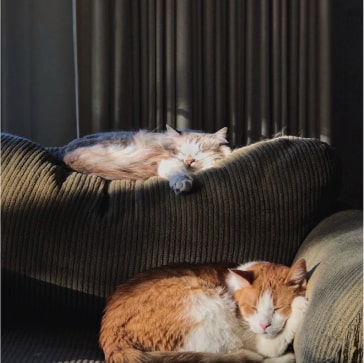
We’ve all seen it: a cat curled up in a sunbeam, eyes half-closed, making that familiar, rhythmic rumbling sound. For years, we just thought that purring meant a cat was happy. But new science and careful watching tell a much more interesting and complicated story. Purring, especially when a cat is stressed, hurt, or healing, seems to be a powerful, built-in way for cats to calm themselves down and even help their bodies heal. This article looks at how it works, why they do it, and what it really means. It’s not just about saying they’re happy. Cats use that low hum to actually fix their bodies and quiet their minds.
What’s in this article
The Science Behind the Feline Rumble
How Do Cats Produce That Sound?
Core Mechanism: Scientists have been scratching their heads about where purrs come from for ages. The leading idea is that it’s all down to a clever little neuromuscular oscillator.
Here’s how it works: the brain sends signals that make the muscles in the voice box twitch super fast—anywhere from 25 to 150 times a second. This makes the vocal cords vibrate open and shut every time the cat breathes in and out.
And that’s what gives us that steady, rumbling sound. The whole thing doesn’t take much energy at all, which is really important. Cats can keep purring for hours, whether they’re just chilling out or even if they’re badly hurt.
Physiological Trigger: Now, purring isn’t something a cat chooses to do, like a meow. It’s actually wired right into their automatic nervous system. So.
it can kick off when they’re feeling good—like when they’re happy or want something—but also when they’re in a bad spot, like when they’re in pain, scared, or giving birth. This two-sided nature is the big clue to how purring works for self-soothing.
A big part of the action happens in the brainstem, which is an old, basic part of the brain that runs essential functions. This tells us that purring is a deep-down, built-in survival trick, not something they pick up to be social.
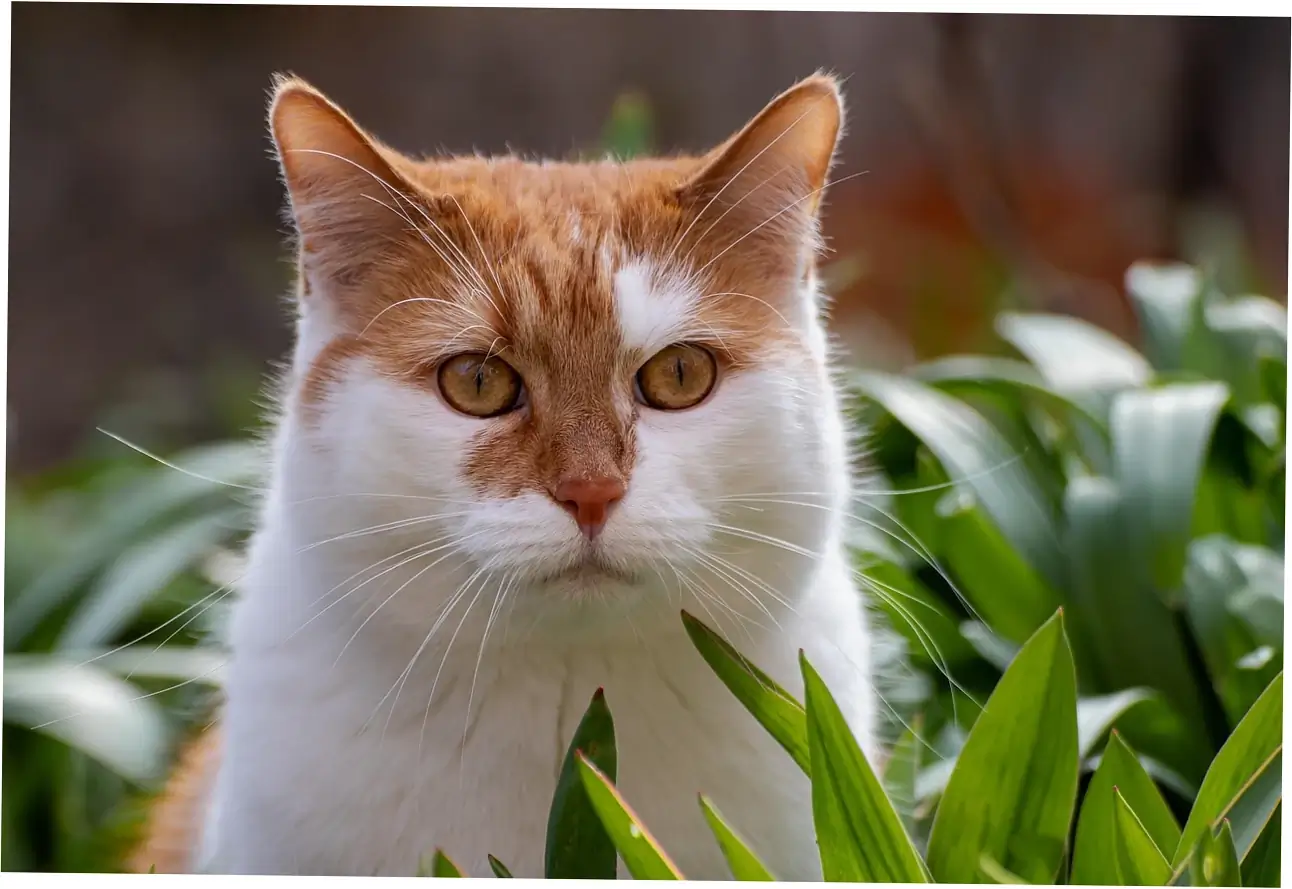
The Healing Frequencies: More Than Just Noise
Vibrational Therapy: Here’s the cool part: a cat’s purr mostly hums along between 25 and 50 Hz. That’s smack in the middle of a frequency range that doctors know can help humans.
It boosts bone growth, mends breaks, cuts down on pain and swelling, and even helps wounds heal faster. Those specific vibrations actually give cells a nudge to regenerate and make bones denser.
So, when a cat is lying there purring, it’s basically giving itself a gentle vibration treatment. That might just be the secret behind their famous nine lives and knack for bouncing back from falls and injuries.
| Frequency Range (Hz) | Observed Biological Effect | Potential Benefit for Cats |
|---|---|---|
| 25-50 Hz | Promotes bone growth and healing | Accelerates recovery from fractures |
| 50-150 Hz | Reduces pain and inflammation | Provides natural pain relief during illness |
| 20-140 Hz | Eases breathing and increases lung function | Supports respiratory health, especially in brachycephalic breeds |
| Overall Range | Lowers stress hormones (cortisol) | Induces a state of calm and relaxation |
Endorphin Release: On top of that, the simple act of purring is thought to get the body pumping out endorphins. You know, those natural pain relievers and happy chemicals.
This sets up a perfect, feel-better cycle: a cat that’s hurting starts to purr, that purring releases endorphins, the endorphins then dial down the pain and bring on calm.
and that feeling makes the cat want to purr even more. It’s a pretty brilliant, all-in-one system they have for dealing with stress and pain.
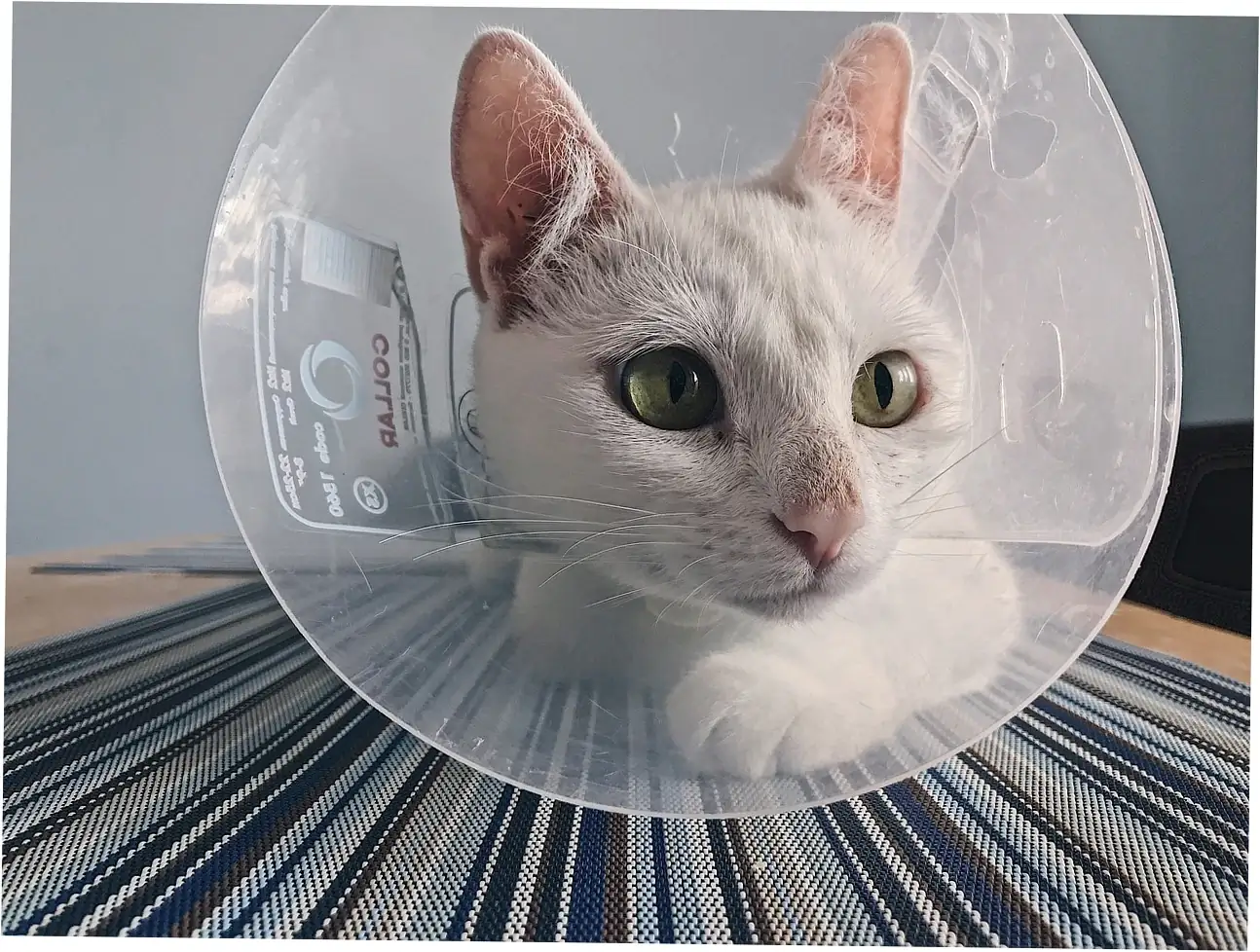
Purring is a tool cats use to soothe themselves and survive.
Let’s talk about how purring calms a cat’s nerves when they’re stressed.
Cats use purring to regulate their emotions. When something scary happens, like a vet trip, a thunderstorm, or meeting a tougher animal, they often start to purr. This doesn’t mean they’re happy. It’s actually a way for them to cope.
That rhythmic, repeating purr works like a mantra they can hear and feel. It helps slow down their breathing and heart rate. It’s similar to when people do deep breathing or meditate to calm their anxiety.
My cat Mochi does this. On the way to the vet, she purrs really loud in her carrier. It’s a clear sign she’s trying to soothe her own fear.
Purring also communicates vulnerability. In homes with multiple cats or in stray groups, a quiet, worried-sounding purr can signal I mean no harm. A sick or hurt cat might purr to ask for peace or to stop others from attacking.
It’s like saying, I’m weak, please don’t hurt me. This social trick also helps them survive. It cuts down the chance of a fight, which means less stress.
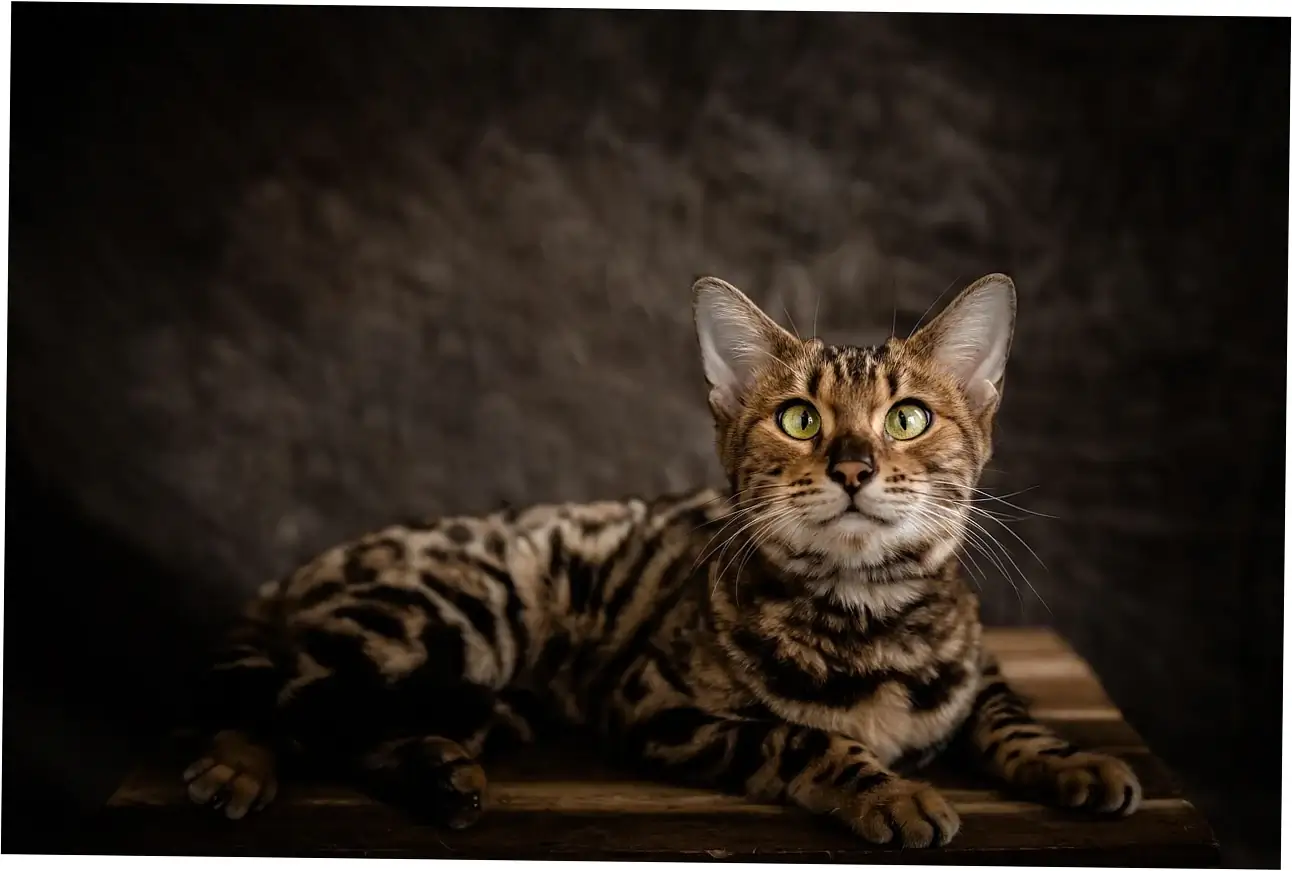
Purring is a comfort for life, from when they’re tiny kittens all the way to their senior years.
The purring habit starts right after birth, for bonding and self-comfort. Newborn kittens can’t see or hear well. They find their mom and littermates by feeling the vibrations from her purring.
This early link makes purring the top signal for safety and getting fed. While nursing, kittens often purr too. It’s one of their first ways to self-soothe, tied right to the best comforts: food and warmth.
For older cats, or those needing special care, purring gets even more important. When their joints hurt and their senses aren’t as sharp, the purring vibrations and the feel-good chemicals it releases give them steady, gentle relief.
Cats with long-term issues like arthritis, or those in comfort care, use their purr to handle everyday aches and pains. Vets see it all the time—a cat purring even when it’s in pain. It’s just their way of getting through it and coping.
So how do you know when purring means they’re distressed? You have to decode the context.
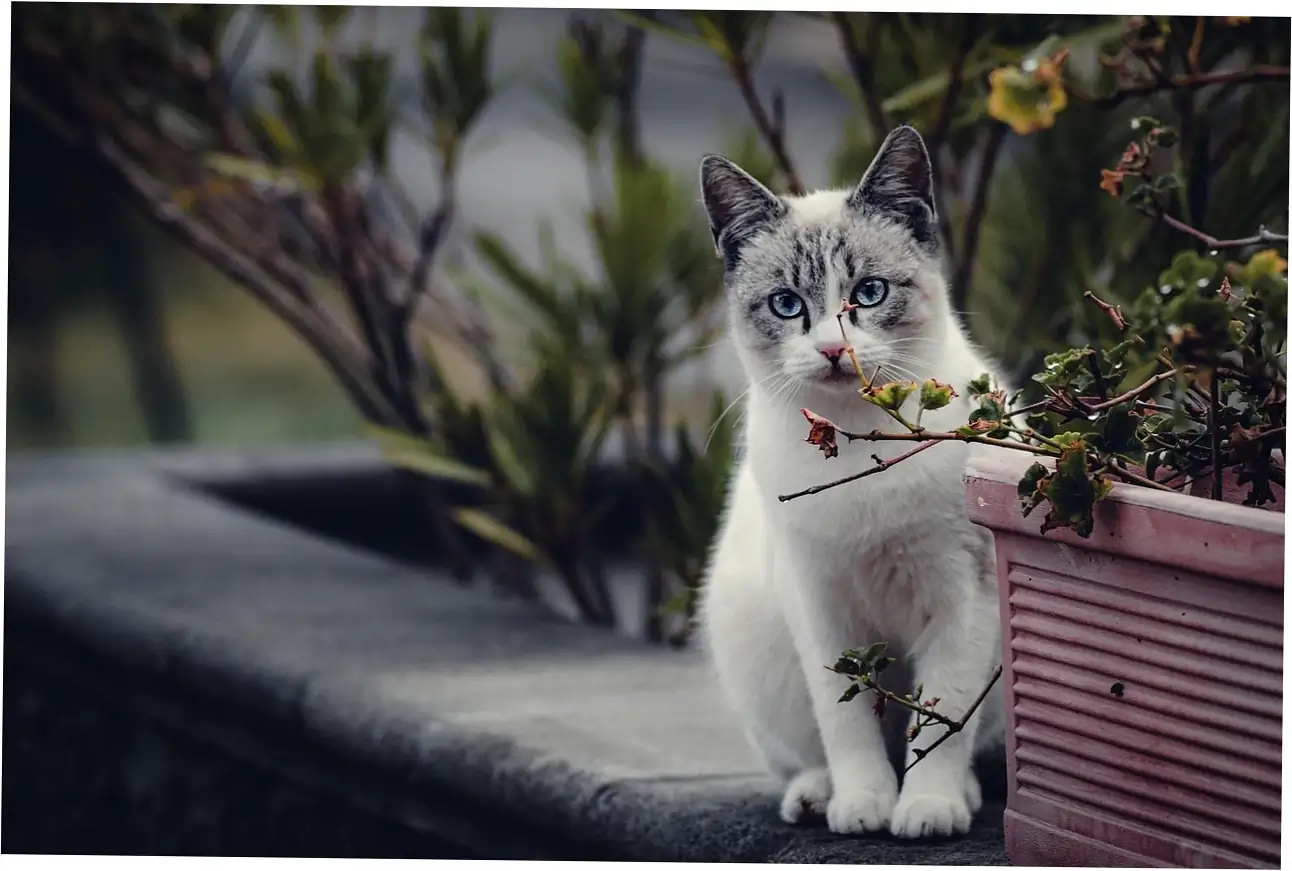
You need to read their body language.
Context is everything. To tell a happy purr from a pain or stress purr, you have to look at the whole cat. A happy cat purring on your lap looks relaxed. Their eyes are soft, and they might be kneading with their paws.
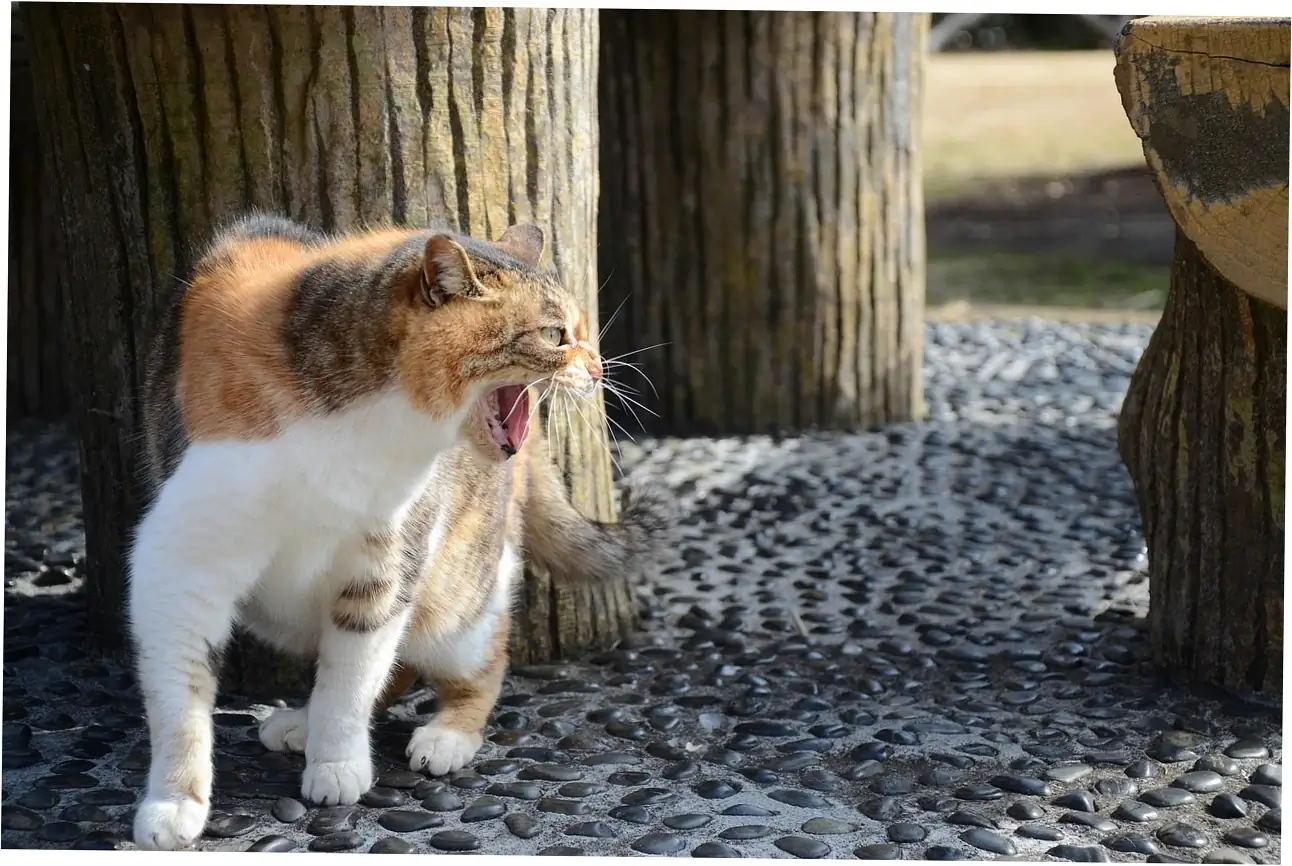
But a cat using purring to self-soothe because they’re upset will look tense. Their ears might be flat, their pupils wide, and their tail tucked in. The purr itself might sound higher, strained, or come with other noises like meows or yowls.
| What to look for | Happy Purring | Self-Soothing or Stress Purring |
|---|---|---|
| Body | Relaxed, stretched out, maybe showing their belly | Tense, crouched low, legs tucked underneath |
| Eyes and Ears | Eyes half-closed or doing slow blinks; ears forward or relaxed | Eyes wide open with big pupils; ears flattened back or swiveling around |
| Sound of the Purr | A deep, steady, rhythmic rumble | Can sound higher-pitched, uneven, or stop and start |
| When it Usually Happens | When being petted, resting in a favorite spot, or nursing | At the vet, during travel, after something scary happens, or when they’re clearly hurt |
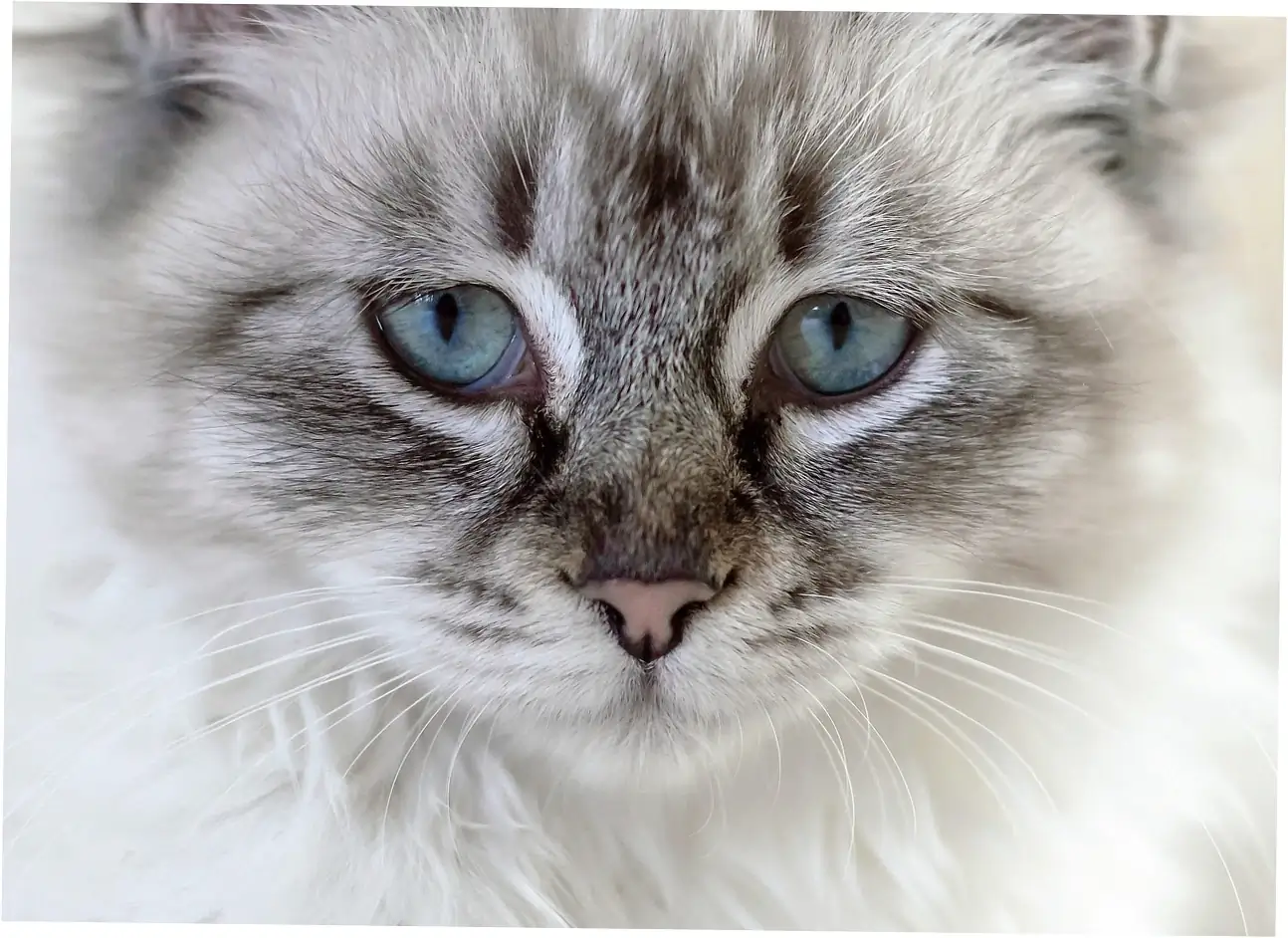
Here are some common times you’ll see anxiety-induced purring.
Trips to the vet and car rides are the most classic examples. All the strange smells, sounds, and being handled is really stressful for them. In these situations, the purring is clearly an attempt to calm themselves down.
After something traumatic, like a fight or a loud crash, a cat might hide away. They’ll often groom themselves intensely while purring. This whole routine helps them feel normal again and lowers their stress hormones.
When cats are sick or hurt, they’re experts at hiding it. So if a cat is purring but also limping, not eating, or hiding, that’s a major signal. It means they’re not okay and are using their main internal tool—purring—to cope. Missing this context can mean delaying important vet care.
Let’s talk about using your cat’s purr to help them feel better.
First, you gotta set up a space where your cat feels like purring.
To cut down on stress at home and get those happy purrs going, try to keep things calm. Give them high spots to feel safe, plenty of things to scratch, stick to a regular schedule, and offer cozy hideouts like covered beds or even just a box.
Plug-in diffusers that release calming cat pheromones, like Feliway, can really help. They make your home feel safer, which cuts down on nervous purring and helps your cat chill out.
From my own experience, putting one of those diffusers near where my cat naps made a big difference. She stopped over-grooming from stress and started doing more of that content, sleepy purring.
Here’s a powerful trick: build positive connections. You can strengthen your bond and get more happy purrs by being gentle and predictable when you interact.
Figure out where your cat loves to be petted—usually the cheeks or near the tail—and always stop when they’ve had enough. Try combining brushing time with a soft voice and a few treats. It can turn grooming from something stressful into a routine that actually gets them purring.
Now, when should you call the vet about purring?
Purring can be a clue something’s up. If a quiet cat suddenly starts purring non-stop, or your big purrer goes totally silent, it might mean they’re not feeling well.
Same goes if they’re purring a lot but also seem tired, won’t eat, or stop using the litter box. That’s definitely a time for a vet check. Think of purring as one piece of the puzzle when you’re looking at your cat’s health.
If your cat is sick or healing from surgery and purring to soothe itself, you can help that process along. Make sure they have a cozy, quiet, and safe spot to recover. Just being nearby calmly can be a real comfort to them.
But here’s the key: don’t just assume they’re fine because they’re purring. Cats often purr when they’re in pain too. Always stick to the pain meds your vet gives you. The purr is for extra comfort—it doesn’t replace actual medicine.
The Human-Feline Connection: A Shared Benefit
The Therapeutic Power of a Purring Cat
Biofeedback for Humans: A cat’s purr isn’t just for them; it helps us humans out, too. That rumbly sound and the gentle vibration are seriously calming. They can actually lower your blood pressure and cut down on stress.
When you pet a purring cat, it releases oxytocin—that’s the bonding hormone—in both of you. It’s a win-win cycle. Our calm vibe gets them purring more, and their purring makes us feel even more relaxed.
Case Study: The Purr in Assisted Living: Back in 2019, a small study tried something new. They set up regular purr therapy sessions for folks in a memory care home. After six months, the results were pretty clear.
The people who spent time with the visiting, purring cats got much less agitated—about 15% less on average. Their caregivers also said their moods got a lot better compared to the others who didn’t have the cats.
That steady, rhythmic purring gave them a sensory anchor—a way to feel grounded without needing any medication.
Learning from Feline Resilience
Embracing Natural Mechanisms: Watching cats use their purr to calm themselves down teaches us something. It shows us the value of natural, gentle ways to heal. We’re often quick to look for outside fixes. But cats remind us that we have powerful tools inside ourselves for handling stress and pain.
Respecting the Signal: In the end, when we see purring as a way cats comfort themselves, we understand them better. It teaches us to pay closer attention.
We learn to listen for more than just the sound and figure out what our cats are really trying to tell us. That simple rumble becomes a whole conversation about how they’re doing.
So, a cat’s purr is way more than just a happy sound. It’s this amazing, built-in Swiss Army knife of wellbeing—a healing tool, a stress manager, and a way to communicate, all rolled into one.
When we can tell our cat is purring to soothe itself, we become better at caring for them. We’re more in tune and can give them the support they need, right when they need it.
Wanna get really good at understanding your cat’s purrs?
Tell us in the comments if you’ve spotted your cat using purring for self soothing. Or, check out our other guide, Decoding Your Cat’s Silent Messages, to learn more about what your cat’s body language is saying.
Got questions about cats purring to calm themselves down? Here are some answers.
Could my cat be purring because she’s hurting?
Yeah, that’s definitely possible. We usually think purring means a happy cat, but they also do it to comfort themselves when they’re in pain, stressed, or sick. The trick is to look at the whole situation.
Watch for other clues: is she hiding, not eating, acting grumpy or super tired, holding her body stiff, or making strained noises? If she’s purring along with any of these signs, and it’s not her usual self, it’s really important to see the vet. They can check if there’s a health problem causing it.
So, why does my cat purr so loud at the vet’s office?
That’s a textbook case of a stress purr, or purring to self-soothe. The vet clinic is strange and scary, which makes them really anxious. That loud purr is their built-in way to settle their nerves, steady their breathing.
and deal with all that stress. It doesn’t mean they’re having fun. It means they’re working hard to handle their fear. You can stay calm to comfort them, but remember, that purr is for them to cope. It’s not them saying stop the exam.
Can a cat’s purr really help heal people?
It won’t cure a disease like medicine, but the sound and feel of a purr do have real, proven benefits for us. Research shows listening to purring can help you chill out, lower your blood pressure, and even cut the chance of a heart attack.
Those purring frequencies, between 25 and 50 Hz, might help you relax and feel good. Plus, petting a purring kitty makes your brain release oxytocin. That’s the love hormone that strengthens your bond with your pet and gives you emotional comfort, which is great for your mental health overall.
How do I know if my cat’s purr is a happy one or an anxious one?
You’ve gotta look at everything that’s going on. A happy purr happens when things are chill: like when you’re petting her just right, she’s making biscuits on a soft blanket, or she’s snoozing all curled up.
Her body will be relaxed, her eyes soft or shut, and her ears in a neutral position. An anxious or self-soothing purr comes out during stressful times—think vet visits, car rides, or after something spooks her—or if she seems uncomfortable.
You’ll see a tense body, wide-awake and alert eyes, ears might be pinned back, and the purr could sound more rushed or higher than usual. The bottom line? Always figure out what the purr means by checking her body language and what’s happening around her.