
Blog
Do cats purr when sick or in pain?

I’ve owned cats my whole life. There I’d be, petting my cat and hearing that nice, rumbly purr. Then later, I’d find out she was actually sick with something I couldn’t see. That made me wonder. Is purring really just a sign a cat is happy? That’s what most people think, but my experience says otherwise. The real story is a lot more complicated. Yes, cats can purr when they’re sick, hurt, or in pain. They really do. It’s a way they calm themselves down, sometimes called a healing purr. This is a really interesting and important part of how cats act. Every cat owner needs to know about it to take the best care of their pet. Spotting the small differences between a happy purr and a cry for help is super important. It can mean catching a problem early and keeping your cat healthy.
Table of Content
The Science Behind the Feline Purr
How Cats Produce the Purring Sound
Core Mechanism: For a long time, people argued about how cats actually purr. Now, science shows it’s a team effort involving the brain, the larynx (that’s the voice box), and the diaphragm. So, it’s not just a simple sound like a meow.
Here’s what studies think happens: special parts in the cat’s brain send steady signals to the muscles in its throat. This makes those muscles twitch super fast, between 25 and 150 times every second.
All that fast twitching makes the vocal cords open and slam shut with every breath, in and out. That’s what gives us that classic purring noise. What’s really cool is that purring keeps going whether the cat is breathing in or out. That’s pretty special—most animal sounds don’t work like that.
Anatomical Enablers: A key piece of the puzzle is a special, stiff little bone in a cat’s throat called the hyoid bone. It basically acts like a stabilizer. But here’s the catch: not every cat can do it.
The big guys like lions and tigers? They can roar, but they can’t do a real, steady purr. On the flip side, our house cats and smaller wild ones like cheetahs can purr just fine, but they can’t roar. This whole purr or roar deal comes down to how flexible their throat bones and voice box are built.
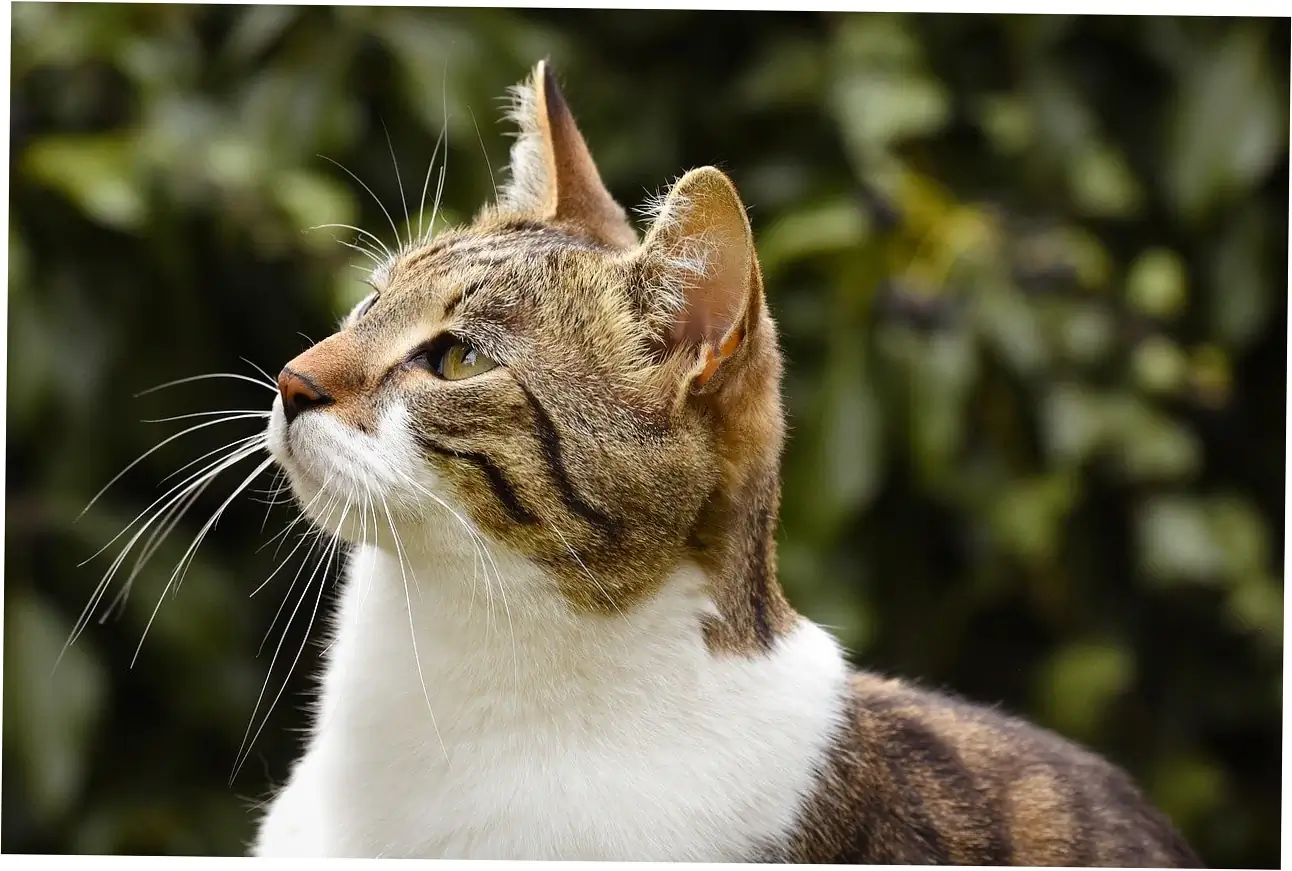
Purring Frequencies and Their Proposed Effects
Healing Vibrations: Now, one of the most fascinating things about a cat’s purr is the sound’s frequency—it might actually be healing. Research shows a house cat’s purr usually vibrates between 25 and 50 times a second.
And get this: studies on people and animals find that vibrations in this exact range can do some amazing stuff. They can help bones get stronger, fix up muscles and tendons, ease pain and swelling, and even help cuts heal faster.
This has led scientists to a pretty neat idea: purring might be a built-in healing tool. It’s like a cat’s own version of vibration therapy. When a cat is sick or hurt and lying around resting, it might purr on purpose to help itself feel better.
| Frequency Range (Hz) | Proposed Biological Effect | Context in Feline Behavior |
|---|---|---|
| 25-35 Hz | Promotes bone growth and fracture healing | Purring during long rest periods, aiding skeletal repair. |
| ~50 Hz | Stimulates soft tissue repair (muscles, tendons) | Purring after injury or strenuous activity. |
| 100-150 Hz | Associated with pain relief and breath control | Purring during stressful or painful events like labor or sickness. |
Beyond Contentment: But purring isn’t just about healing. Cats also use it to talk. Tiny kittens purr while they’re feeding to tell their mom Grown-up cats purr to ask for things—like care, food.
or just some friendly bonding time—from us or other cats. So, when a cat is sick and purring, it might be doing two things at once. Sure, it could be trying to heal its body with those vibrations. But it’s also probably saying, \.
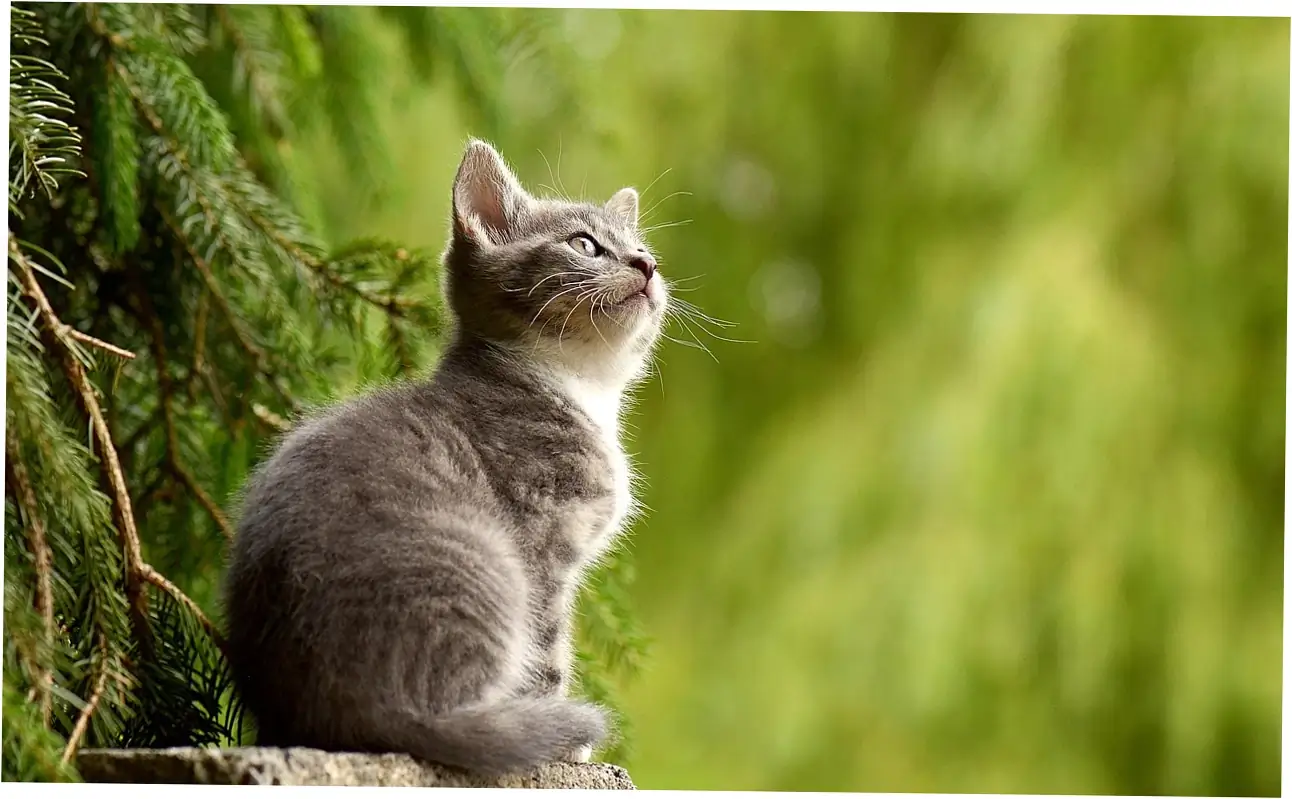
Purring can be a sign your cat is sick.
So, how can you tell a sick purr from a happy one?
Look at the situation and your cat’s body language. That’s the best way to figure it out. A happy purr usually happens when they’re enjoying themselves—like when you’re petting them, they’re kneading a blanket, or curled up on your lap.
Their body looks relaxed, their eyes might be partly closed, and they’ll probably ask for more pets. But a sick purr, or what some call a pain purr, pops up in weird times.
You might see them hunched up and hiding, purring really loud, not wanting to interact, or just seeming off. This kind of purr can sound more intense, urgent, or just non-stop, like they’re trying to soothe themselves.
Watch out for these red flags alongside the purring. If you see them, call the vet right away: if your cat is super tired or hiding all the time, not eating or drinking, having litter box trouble (like straining or missing the box).
making other noises like meows or groans with the purr, showing clear pain (flinching or getting snappy when touched), breathing funny, or if their purring pattern suddenly changes—like a quiet cat won’t stop purring.
The purr alone doesn’t tell you what’s wrong, but it’s a big clue that something else is going on.
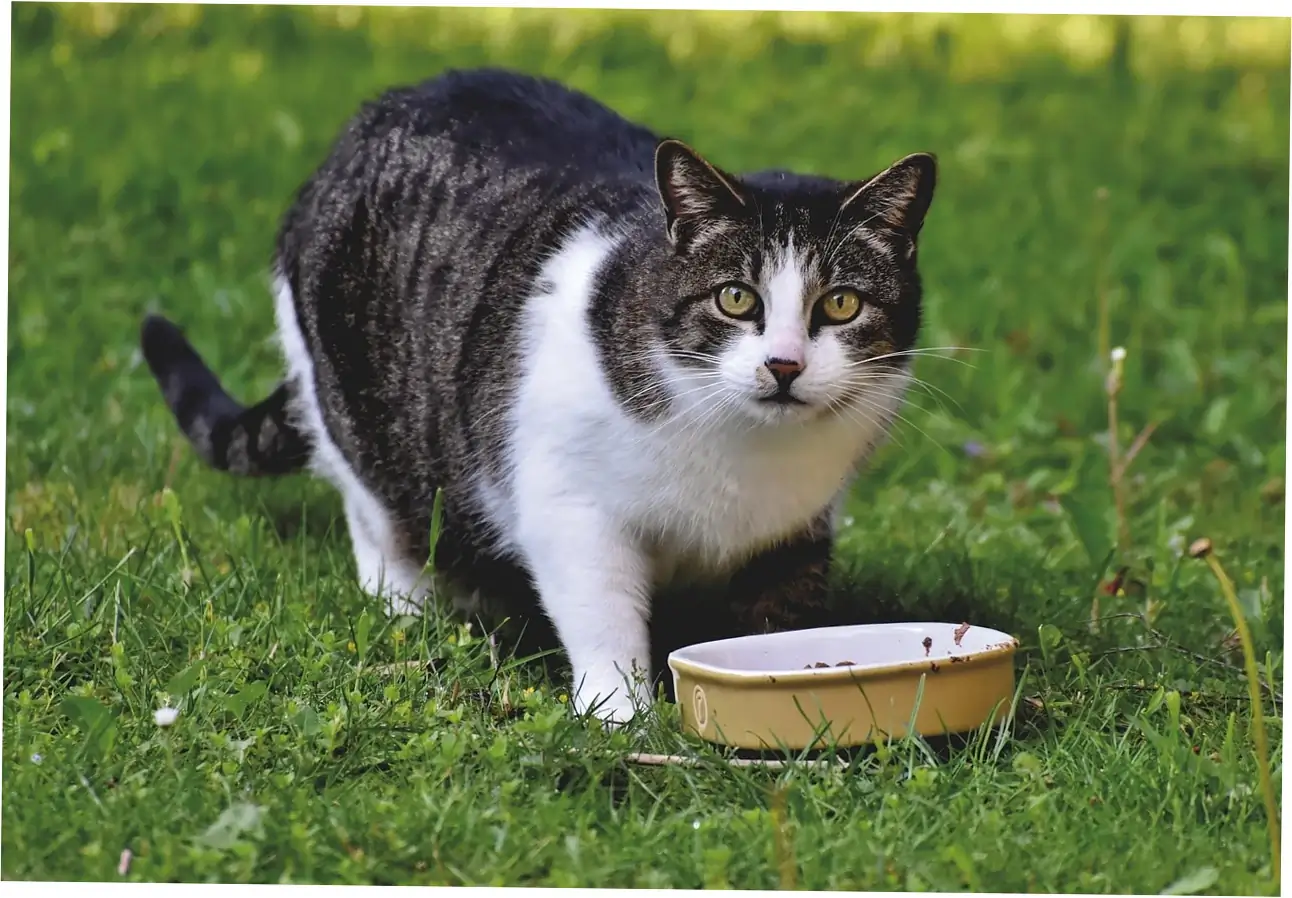
What kinds of sickness can make a cat purr?
First, physical pain. Cats are experts at hiding pain—it’s a leftover instinct from their wild days. Purring can be their way of coping with the hurt. For example.
a cat with a urinary tract problem or a blockage might purr while trying to pee in the litter box. Or, a cat with sore joints or a bad tooth might purr when they’re sitting in a way that hurts. I found this out myself with my old cat.
She started purring all the time, just sitting there not moving. The vet found she had really bad tooth infections. Her purring was because she was in pain, not because she was happy.
Other illnesses can cause purring too, even if they don’t cause sharp pain. A cat with a stuffy nose or cold might purr more. Some think the vibrations might help clear their nose or make breathing a little easier.
More serious stuff, like kidney problems, an overactive thyroid, or some cancers, can make a cat feel just plain sick and anxious. That can lead to more purring as a way to calm themselves down.
Purring might also release endorphins—the body’s natural pain relievers. So it could give them a little temporary break from the discomfort of a long-term sickness.
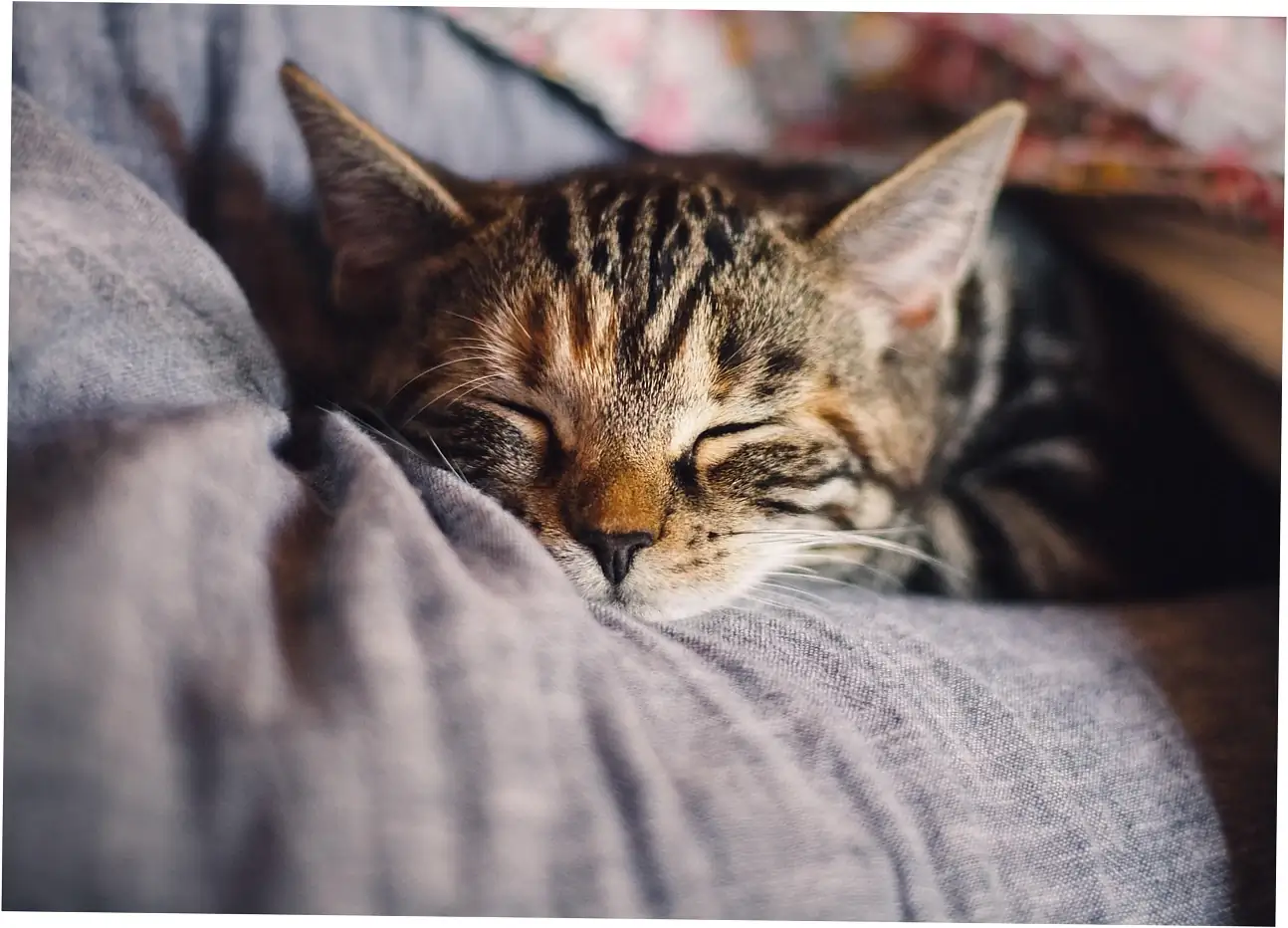
Here’s a practical guide to keeping an eye on your cat.
First, you need to figure out what’s normal for your cat.
Keeping a daily log is your best bet. It helps you learn your cat’s usual habits. I began by jotting down notes each week to get a baseline. Every day, I’d spend just 5 to 10 minutes writing things down.
I tracked her energy, how much she ate and drank, her litter box use, how social she was, and most importantly, her purring. When does she usually purr? Is it loud or soft? How long does it go on for?
I put all these notes in a notebook or on my phone. Doing this helped me know her routine inside out. So, if anything changed, I spotted it right away. For instance, her happy purr at night during cuddles was a soft, on-and-off rumble. That became my normal to compare against.
| When | What I Saw | Purring Details | Food Water |
|---|---|---|---|
| Monday morning | She was active and met me at her bowl. | She gave a short, soft purr while eating. | Ate her usual half cup of food. |
| Tuesday afternoon | Napping in a sunny spot, looking totally relaxed. | Wasn’t purring. | Drank her normal amount of water. |
| Wednesday night | Hiding under the bed and didn’t want pets. | But she started a loud, non-stop purr when I came near. | Skipped dinner completely. |
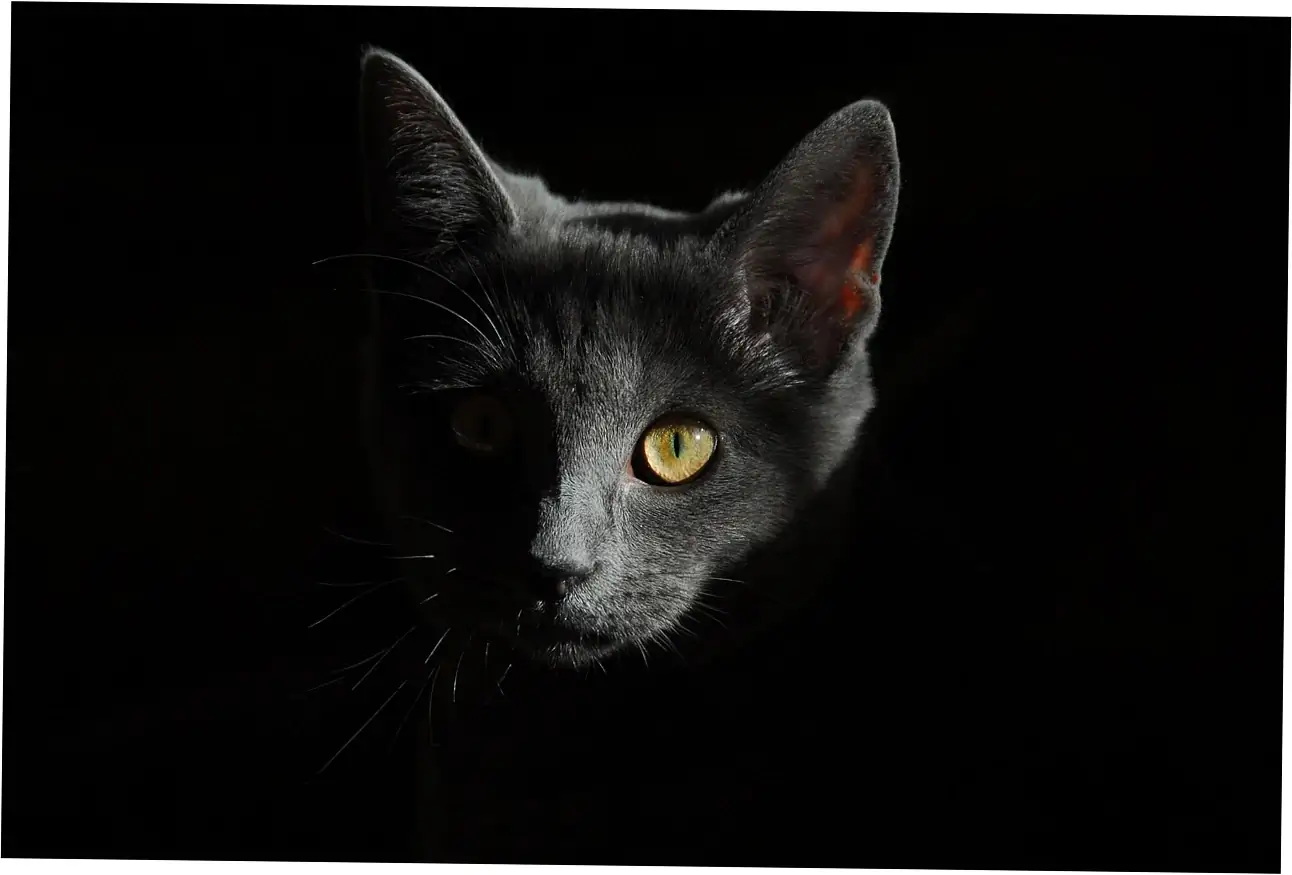
So, how do you figure out if a purr means your cat is sick?
Here’s a simple way to decide what to do when the purring seems off. First, look at the situation. Is she purring during something she usually enjoys, like getting petted or eating? Or is she purring while alone or resting?
Next, check for other signs. Remember the word PURR: Posture – is she hunched or tense? Unusual sounds – any odd meows? Responsiveness – is she withdrawn or hiding? Routine – any changes in eating, drinking, or the litter box?
If the purring seems out of place AND you see one or more of those PURR signs, it’s time to do something. From my experience, the combination of hiding loud purring refusing food was the clearest indicator of a problem that needed veterinary attention.
Play it safe. If the purring seems weird and there’s just one other little sign something’s wrong, go ahead and make a vet appointment. Don’t wait until she has a bunch of bad symptoms.
Catching things early saves money, is easier on your cat, and gives her a better chance. Tell your vet everything you’ve noticed, especially about the purring. That context can be a big clue that tests might miss.
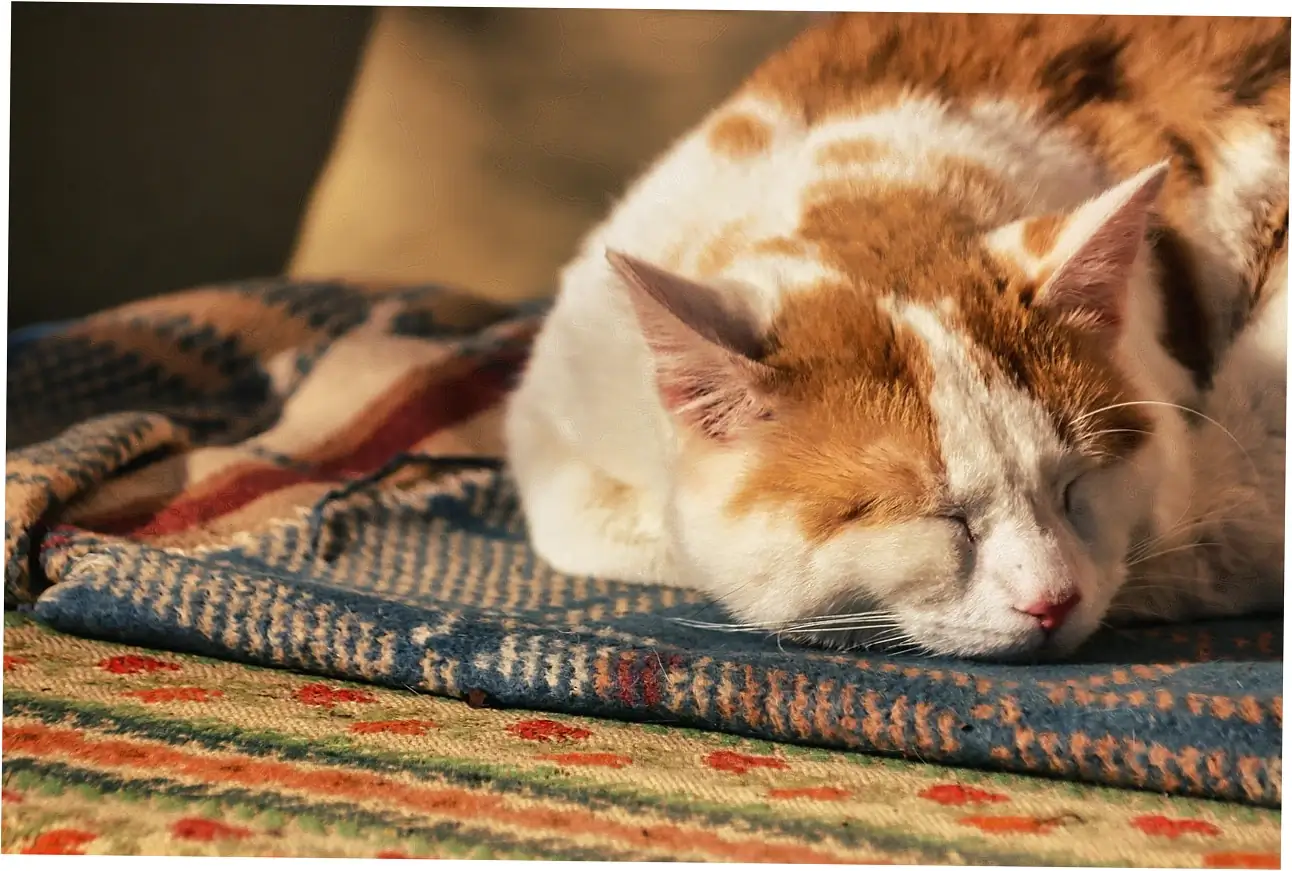
Let’s talk about how vets see purring and your cat’s health.
So, what do vets actually check for when your cat is purring?
Vets think of purring as just one clue in a bigger health mystery. I once took my cat in because she wouldn’t stop purring for no clear reason, and the vet took it seriously. She asked me all sorts of questions like, When did this start?
and What else seems off? Then during the check-up, she felt my cat’s belly, looked at her teeth and gums, listened to her heart and lungs, and watched how she sat on the table.
That purring was a sign that made the vet dig deeper for pain, which is how we found out it was a tooth problem. Vets know the purring sound can cover up important body noises, like a heart murmur. So sometimes they’ll gently distract your cat to listen clearly.
After the check-up and hearing your story, your vet might suggest some tests to figure out why the purring is worrying. Common tests are blood work for organs and thyroid, urine tests for kidney stuff, x-rays for bones or blockages, or an ultrasound.
The whole point is to go from the weird purring symptom to a solid medical answer. It’s really important to do these tests because they give the proof needed for the right treatment.
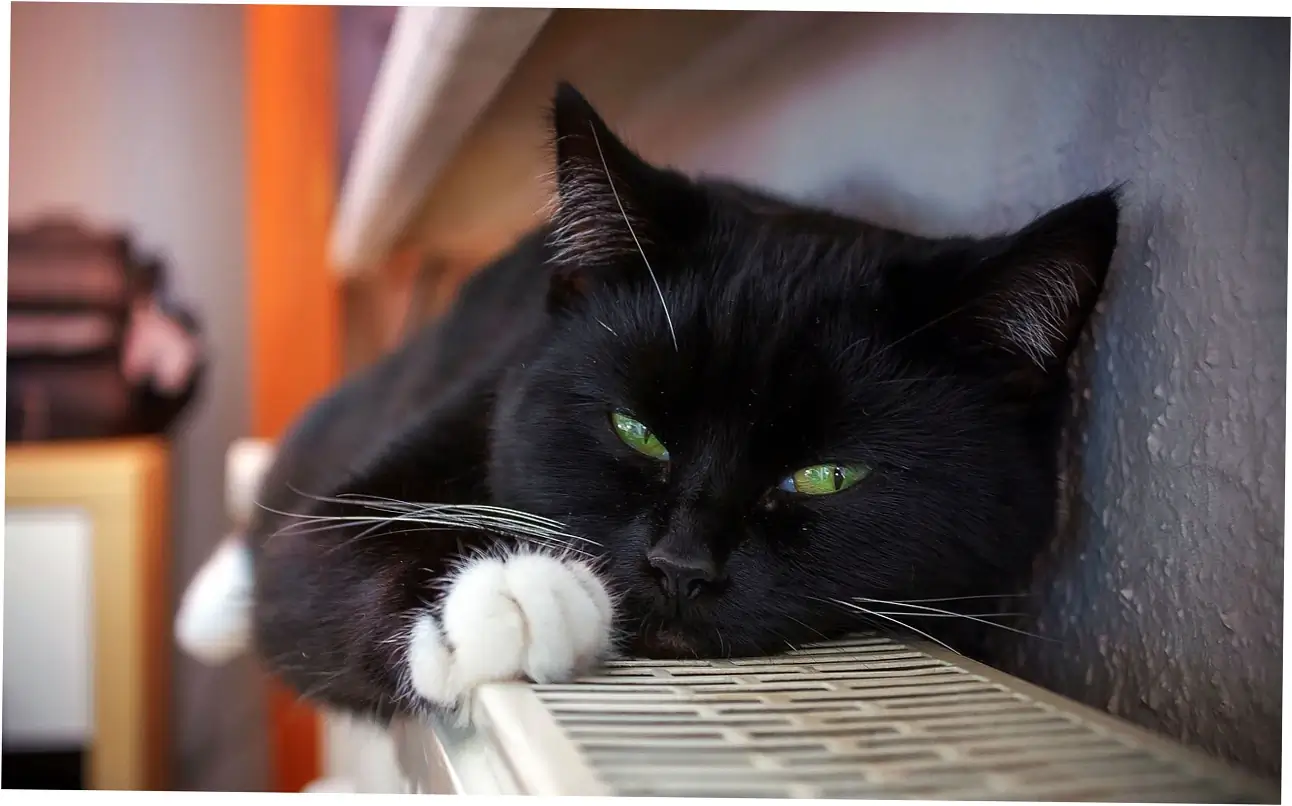
Treatment and how purring helps with getting better.
After you get a diagnosis and start treatment, your cat’s purring can actually help them heal. After my cat’s tooth surgery, she was purring softly in her recovery bed.
In that safe, post-surgery setting, and with pain meds helping, that was probably a real comfort purr. It’s super important to give your sick cat a quiet, warm, safe spot to rest.
Research on the purr’s frequency suggests it might really help healing. It can relax your cat, lower stress hormones, and maybe even help fix tissues at a tiny level.
Keep an eye on your cat’s purring as they go through treatment. If the purring goes back to normal—like only when they’re happy—that’s a good sign they’re feeling better. But if that odd, sick-purring keeps up even with treatment, tell your vet.
It could mean the pain’s still there, there’s a new problem, or the first diagnosis wasn’t the whole story. Getting better takes time, and what you see at home is really important info for your vet’s plan.
How you can help and care for a sick cat.
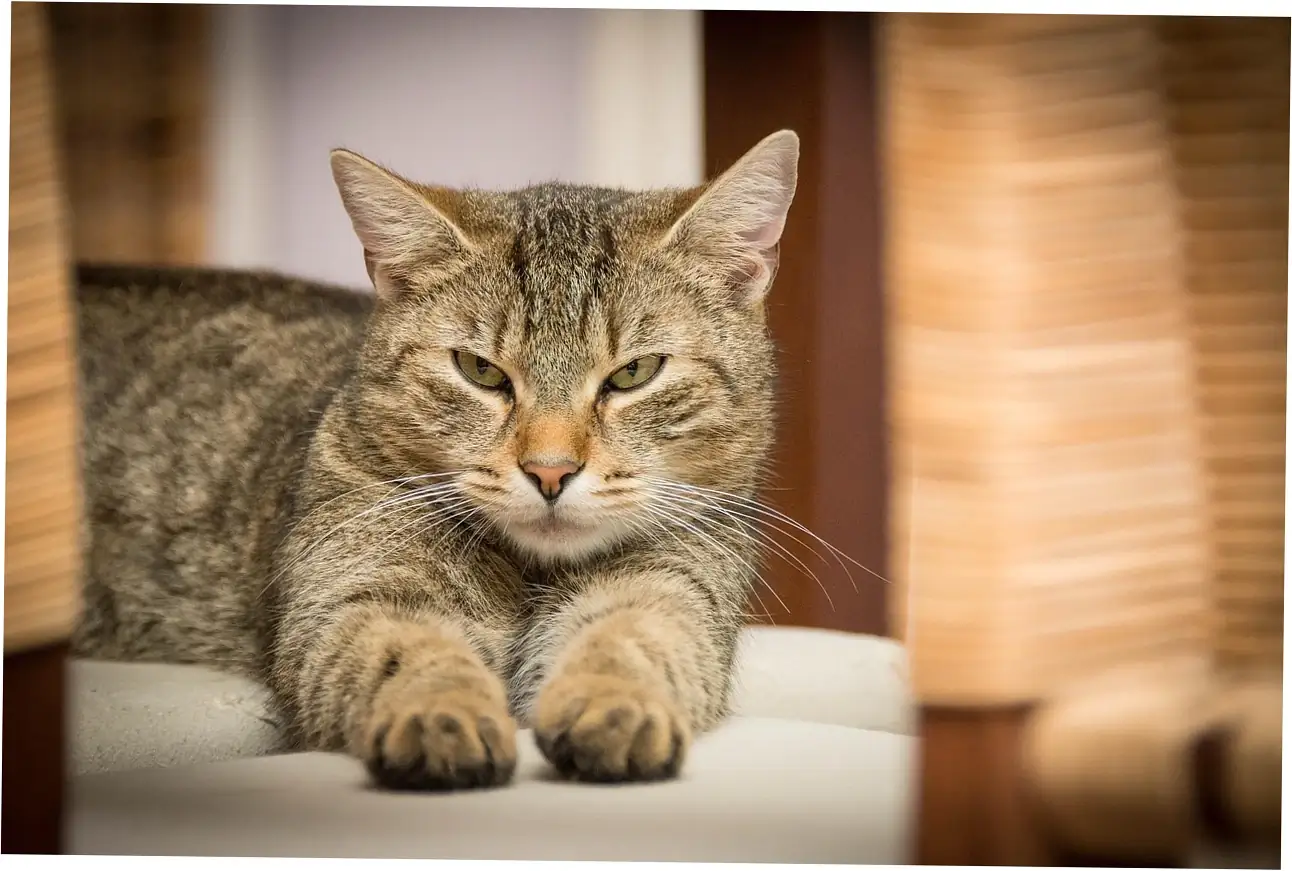
How to comfort them without getting the wrong idea from their signals.
When your cat is sick and purring, let their behavior guide how you react. Forcing attention on them can just make them more stressed. Instead, just be gently and quietly there for them. Sit near where they’ve chosen to rest and talk softly.
Let them make the first move for contact. If they nudge into your petting, keep going. If they stiffen up or walk off, give them their space. Make sure they can easily get to fresh water, a clean litter box, and food they really like.
Sometimes, just being a calm, quiet presence nearby is the most comforting thing. I noticed that just reading a book quietly in the same room soothed my recovering cat more than constantly fussing over her.
Change up their space to cut down on stress and help them heal. You can try plug-in diffusers (like Feliway) that release calming cat pheromones. Put their bed in a quiet spot with no drafts.
If they have trouble moving, give them steps or a ramp to reach their favorite spots. Keep loud noises and other pets away if those things make them nervous. Making a peaceful healing spot lets your cat use its purring to calm itself down, without extra stress from its surroundings.
Dealing with your own worry and making smart choices.
It’s normal to worry about a sick pet, but that worry can mess with your decisions. Get informed to fight the fear. Get this: purring when sick is normal for cats. Don’t panic, but do pay close attention.
Trust what you know is normal for your cat and the plan you’ve made. Build a good partnership with your vet. Ask your vet questions like, Could this purring be because of her condition? and What signs should I look for at home?
For cats with long-term health issues, purring might happen a lot more often. Work with your vet to handle their pain and keep their life good. This could mean meds for the long haul, special food, or even kitty physio.
You’ll need to keep a regular check, go for follow-ups, and change the care plan when needed. Remember, you’re not trying to stop the purr itself. You’re trying to fix what’s causing the distress, so your cat can purr for the right reasons again—because they’re happy and connected to you.
So to wrap up, yes, cats can and do purr when they’re sick. They use this built-in ability as a complex tool to communicate, calm themselves down, and maybe even help themselves heal. A purr doesn’t just mean I’m happy.
It’s a complicated behavior you have to read along with your cat’s overall health and mood. Learn your cat’s normal purr, watch closely for other symptoms, and team up with your vet.
That way, this mysterious rumble becomes an early warning sign, not a cover-up for hidden pain. Knowing all this helps you be a better, more watchful champion for your cat’s health and happiness.
Have you seen your cat’s purring change? Share your story or questions below! You can also check out our detailed guide on understanding other subtle cat body language to be an even smarter cat parent.
Here are some common questions people ask.
So, does a cat purring always mean it’s happy?
Actually, no, it doesn’t always mean that. Sure, cats often purr when they’re content, like when you’re petting them or they’re eating. But they also purr when they’re stressed, in pain, or scared.
A cat might purr if it’s hurt, sick, giving birth, or even near the end of its life. Experts think this kind of purring is a way for them to comfort themselves, to try and stay calm, or maybe to tell you they need help.
So, you’ve gotta look at the whole picture and check their other body language to figure out what’s really going on.
Okay, but can a cat’s purr actually help it get better when it’s sick?
Some new studies hint that purring might have healing powers. The vibrations from a purr, usually between 25 and 50 Hz, seem to do a lot. Research links them to stronger bones, faster healing of breaks and cuts.
less pain and swelling, and even fixing up muscles and tendons. We still need more cat-focused studies, but the idea is that purring evolved as a built-in repair kit. So when a sick cat is lying there purring, it might just be giving itself some natural vibration therapy to help it bounce back.
What if my cat is purring but also hiding and won’t eat?
If your cat’s purring but also clearly sick—hiding, super tired, not eating—call your vet right away. That combo is a big warning sign. In this case, the purr probably means they’re in distress, not that they’re happy.
Don’t just assume everything’s okay because you hear purring. Get them checked by the vet to make sure it’s not something serious like pain, an infection, or problems with their organs. Catching and treating things early is super important.
My cat doesn’t purr at all. Is that a problem?
Not always, no. Just like some people talk more than others, some cats just aren’t big purrers. Or maybe their purr is super quiet—a silent purr you can only feel as a vibration.
You only need to worry if your cat suddenly stops purring when it normally does. If a cat that usually purrs a lot goes totally quiet, especially if it’s acting different in other ways too, it might be sick.
in pain, or stressed out. That’s a good reason for a vet visit. The key is to know what’s normal for your own cat.