
Blog
Is Constant Cat Purring a Health Warning?

I’m a certified cat behavior consultant, and I’ve been at this for more than ten years. One thing I know for sure is that a cat’s purr isn’t just a simple Sure, we usually think that gentle rumble means a happy, chill cat. But if your cat is purring all the time or way too much, it can sometimes be a warning sign. It might point to some hidden health issues. This article is going to take a close look at the tricky world of cat sounds. We’ll figure out how to tell the difference between normal, happy purrs and the kind that could mean your cat is in pain, stressed out, or sick. We’ll check out how purring actually works in a cat’s body. I’ll also point out the big behavior changes you should keep an eye on. Most importantly, we’ll talk about when you really need to get your vet involved for a cat that just won’t stop purring.
Here’s what we’ll cover:
- 1. Cracking the Code on Cat Purrs: It’s Not Just About Happiness
- 2. What Health Problems Can Be Linked to Constant Purring
- 3. Stress, Anxiety, and Other Behavioral Reasons for Purring
- 4. Figuring It Out: When Should You Take Your Cat to the Vet?
- 5. How to Care For and Manage a Cat That Purrs Constantly
- 6. Wrapping Up: How to Be Proactive About Your Cat’s Health
- 7. What You Can Do Next
- 8. Your Questions Answered (FAQ)
Let’s figure out what a cat’s purr really means—it’s not always about being happy.
Purring has two sides: one for when they’re content, and another for when they’re stressed or in pain.
Here’s how purring works: their throat muscles contract really fast and rhythmically, both when they breathe in and out. This happens at a frequency usually between 25 and 150 Hertz.
We usually think purring means they’re pleased, but research shows cats also purr to calm themselves down. They do this in tough situations, like going to the vet, when they’re hurt, or even when giving birth.
So, as an owner, you need to look at the whole situation. If your cat is purring and kneading on your lap, that’s probably pure bliss. But watch out if your cat is hiding, hunched over, or not eating much while purring non-stop.
That constant purring might be their way of dealing with pain or discomfort. Experts sometimes call this solicitation purring.
Here’s a simple checklist: you absolutely must pay attention to your cat’s entire body language. Look for other clues too. A relaxed, happy purr often goes with half-closed eyes, a tail tip that twitches softly.
and maybe even a belly show if they feel safe. On the other hand, a worrying purr usually comes with wide pupils, ears pinned back, legs tucked in, or if they don’t want to be touched. I remember a case about an older cat named Whiskers.
His owners said he suddenly started purring a lot more. At first, they thought it was just extra affection, but a full check-up showed he had early arthritis. Turns out, all that purring was like his own medicine.
Studies think the vibrations might help bones heal and get stronger. Whiskers was instinctively using his purr to cope with his sore joints.
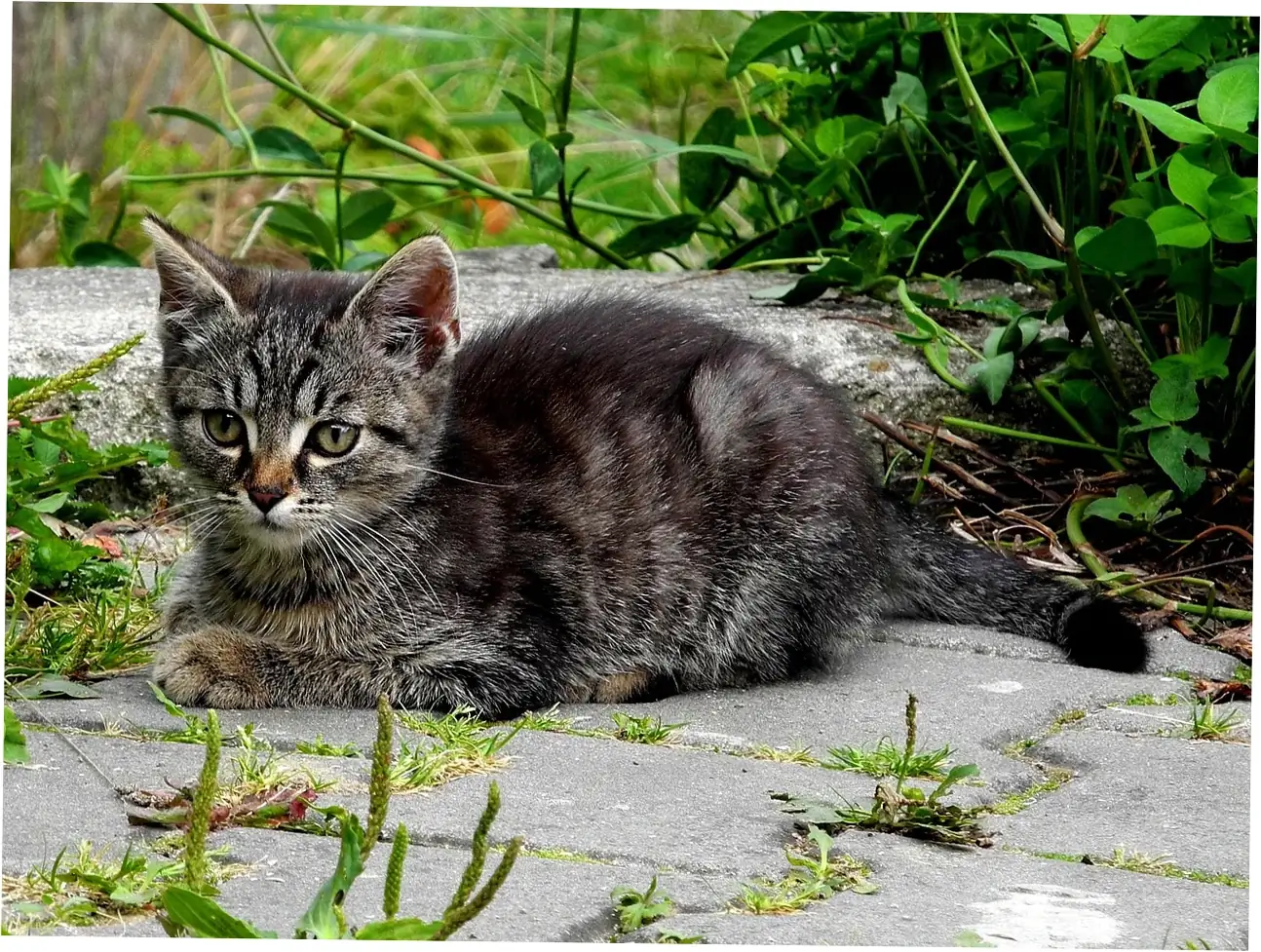
So, what’s normal purring, and when is it too much?
It’s tough to say exactly how much purring is too much. But it can point to a health problem if it’s a big change from how your cat usually acts. Ask yourself: Is the purring non-stop, even when they’re asleep?
Does it sound louder or more forced than before? Are they purring in new situations, like by their food bowl or litter box, when they never used to? A recent survey found that for 15% of cat owners.
a change in their cat’s sounds was the first sign something was wrong. So, if your quiet cat suddenly won’t stop purring, or your talkative cat’s purr sounds like hard work, it’s definitely time to look into it. This cat purring all the time could be a sign of underlying health issues.
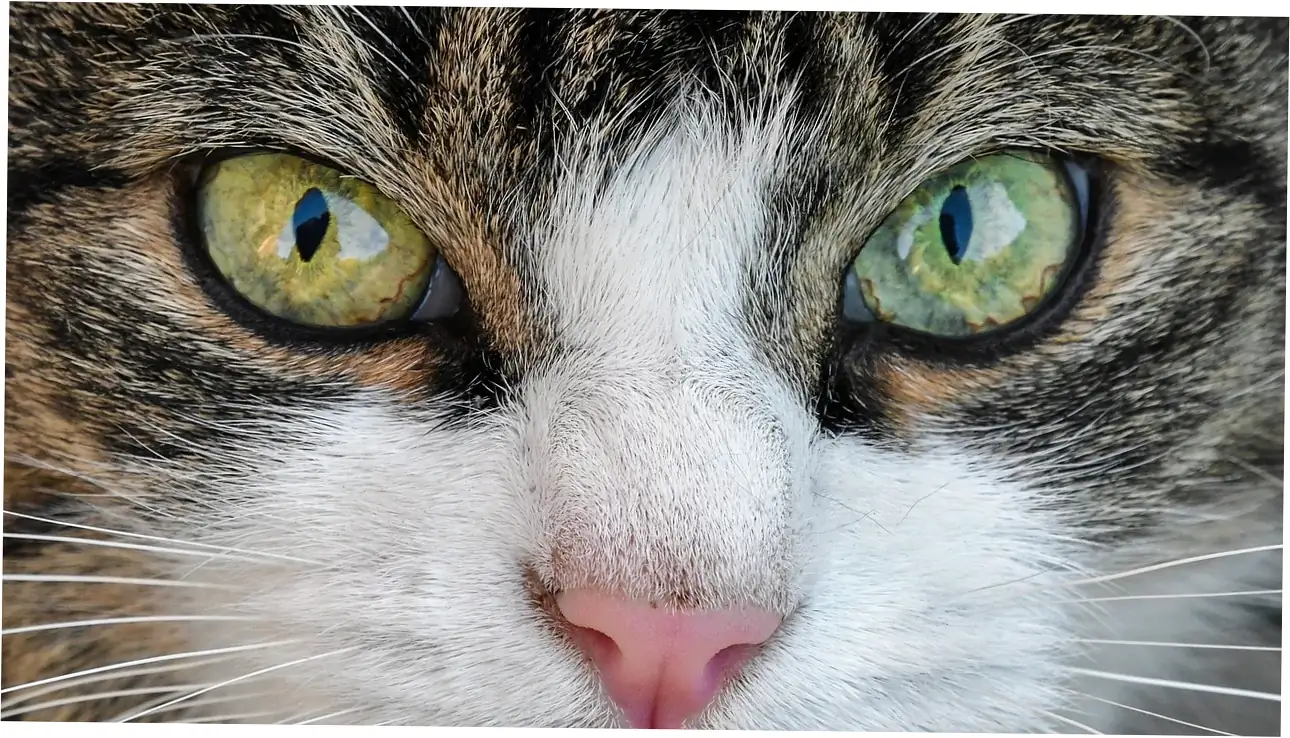
Let’s talk about the health problems that can come with a cat purring all the time.
First up is pain and discomfort – it’s like their hidden agony.
Spotting pain-induced purring can be tricky. Cats are real pros at hiding pain; it’s a survival thing. So, constant purring might be one of the only clues they give you. What’s causing it?
Common culprits are dental problems, like sore gums, urinary tract infections that make the litter box a nightmare, arthritis, or even internal injuries.
In these cases, experts think the purring helps release endorphins – the body’s own natural painkillers. I always tell folks to do a gentle check at home. Just run your hands softly down your cat’s back, along their jaw, and over their belly.
Keep an eye out for any flinching, swelling, or spots they really don’t want you to touch. If you notice anything odd there, and your cat is also purring non-stop, it’s time for a vet visit right away.
| Condition | What to look for besides the constant purring |
|---|---|
| Osteoarthritis | They might not want to jump, seem stiff after napping, or lick their joints too much. |
| Dental Disease | Watch for drooling, really bad breath, pawing at their mouth, or dropping food. |
| Feline Lower Urinary Tract Disease (FLUTD) | They’ll go to the litter box a lot but nothing happens, or they might cry when they try to pee. |
| Chronic Stomach or Gut Issues | Look out for vomiting, diarrhea, a bloated belly, or their appetite changing. |

Now, onto breathing and nervous system worries.
Breathing troubles can be linked too, though it’s rarer. If a cat is struggling to breathe, their purr might sound wheezy or just not right. Things like asthma, chronic bronchitis, or a bad cold can mess with their voice box.
So, a purr that sounds stuffed up, plus coughing, breathing with their mouth open, or a runny nose – that’s a big red flag. On the neurological side, problems with the brain stem – that’s the part that controls automatic stuff like purring – could.
in theory, cause weird or constant purring. But this is really rare. And if it happens, you’d see other major issues too, like trouble balancing or even seizures.
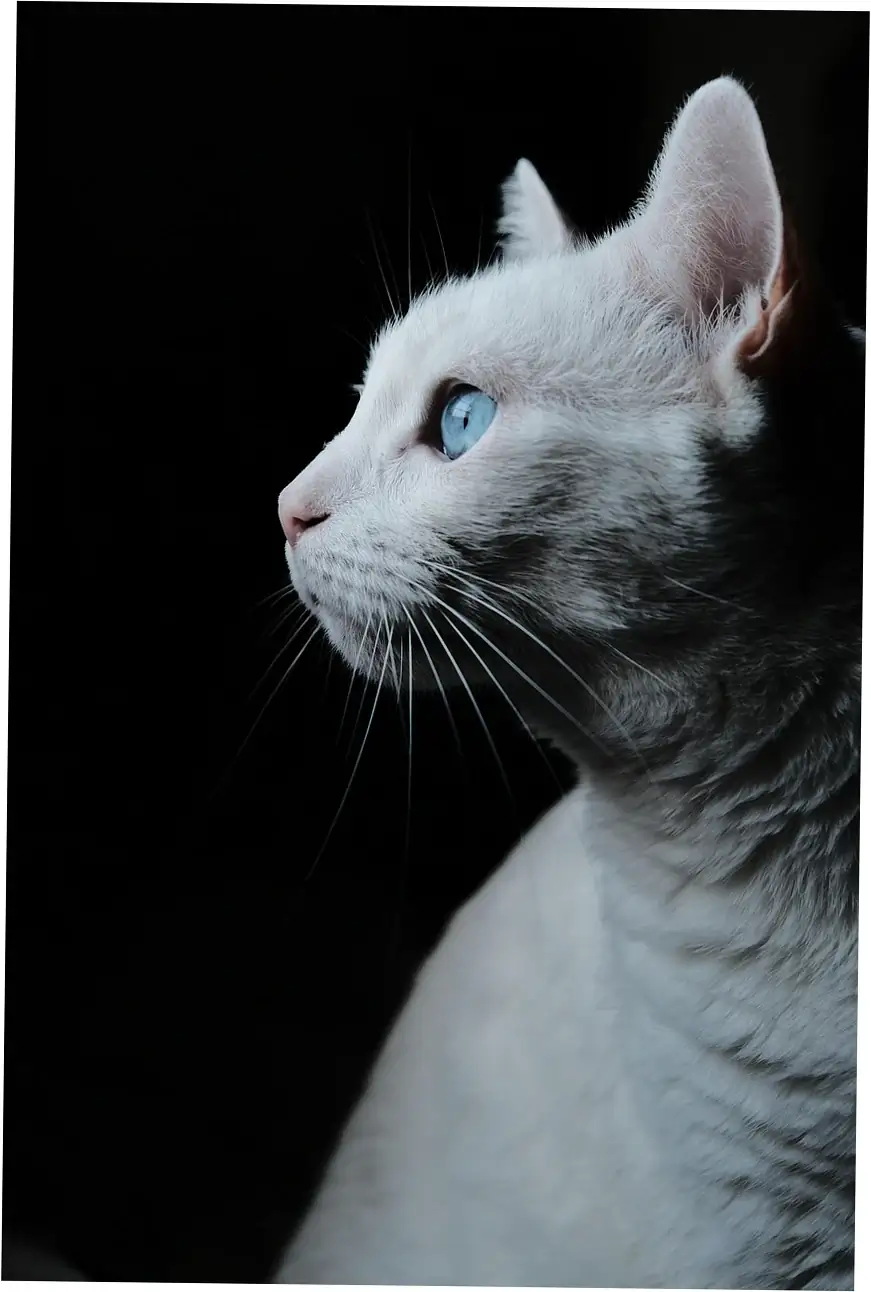
Stress, Anxiety, and Behavioral Causes
Environmental Stressors Triggering Purring
Anxiety as a Catalyst: Cats really like their routines. So, things like getting a new pet, having a baby, moving to a new house, or even just moving the furniture around can make them feel anxious.
When they’re stressed, a cat purring all the time might just be their way of calming themselves down. It’s like when people hum or fidget when they’re nervous. Keep an eye out for other signs of stress too.
These can include peeing outside the litter box, grooming so much they get bald spots, or hiding more than usual. You can help cut down on this anxiety-driven purring. Try keeping a regular schedule for your cat.
Products like Feliway diffusers, which release calming cat pheromones, have been shown in studies to really help with stress. Also, giving them high places to climb, like a cat tree, makes a big difference.
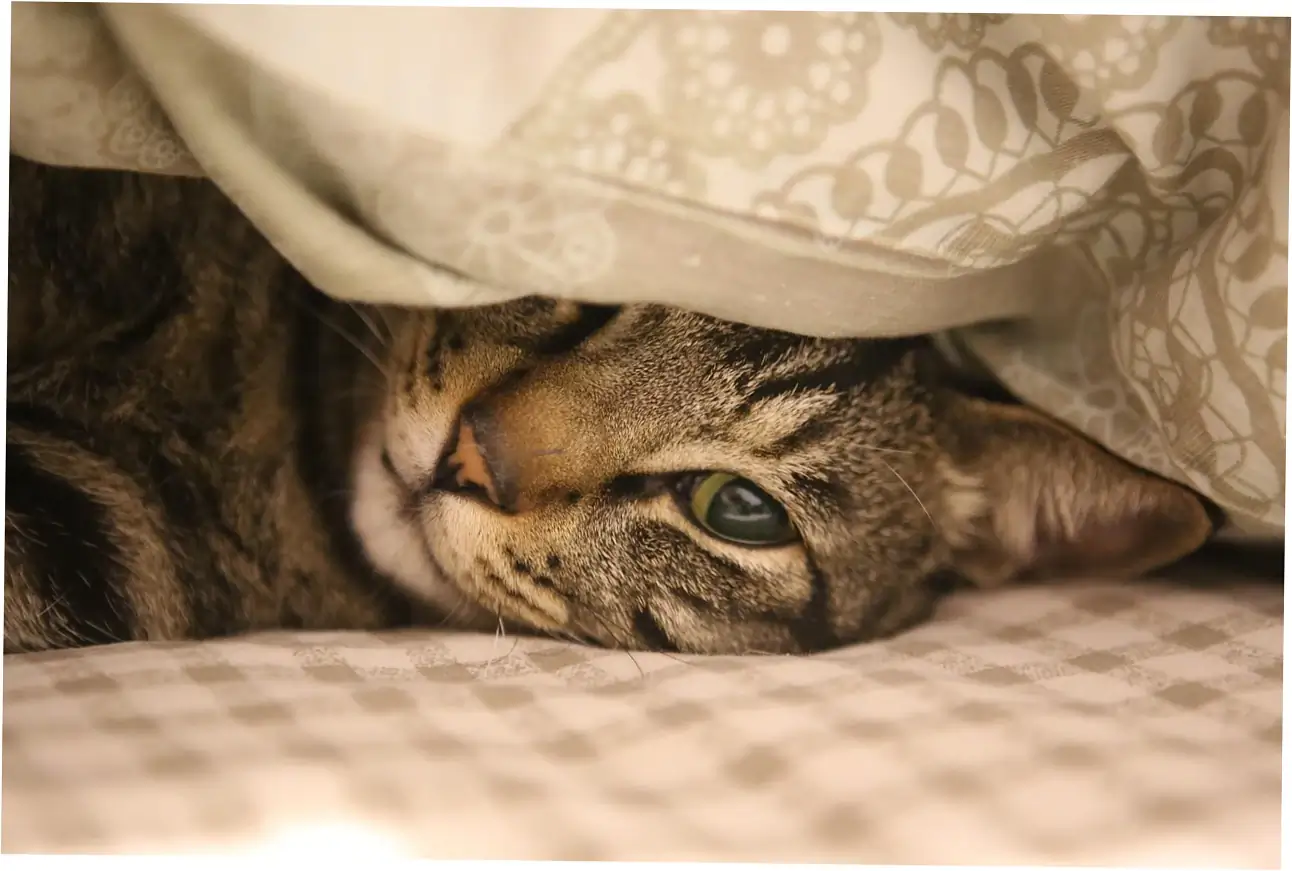
The Role of Solicitation and Communication
Learned Behavior for Attention: Some cats are just really clever at getting their point across. They figure out pretty quickly that their purr is the key to getting what they want, whether it’s dinner, some snuggles, or you opening a door for them.
There’s even research in a journal called Current Biology that shows how sneaky cats can be. Their normal purr actually has a special high-pitched cry mixed into it.
This sound is a lot like a human baby crying, which we humans find really hard to ignore. So, this please give me something purr isn’t a health problem. It’s actually a pretty smart trick they’ve learned.
How can you tell this from a worried purr? Just watch what happens after they get what they’re asking for. If the constant purring stops once they’ve been fed or petted, then it was probably just them communicating.
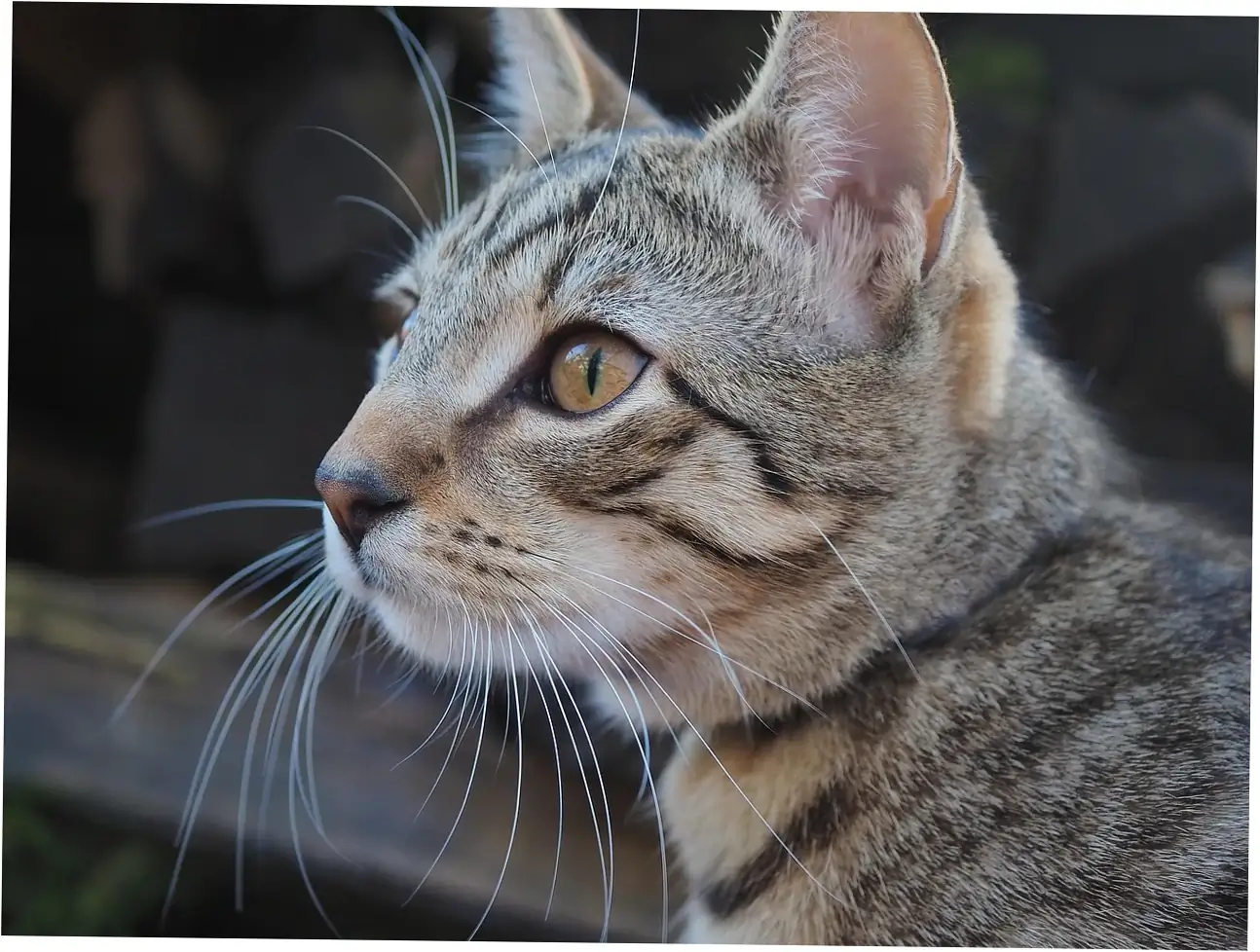
Figuring out when to take your cat to the vet.
Start by keeping a diary at home to watch your cat.
Before you go to the vet, turn into a bit of a detective. Just keep a simple log for about three to five days. Jot down when the purring happens, what’s going on around, and how long it lasts.
Also write down other stuff like how much they eat and drink, their litter box use—like the size and number of clumps—their energy, and how they interact with you or other pets. This info is super valuable for your vet.
Here’s an example: if that non-stop purring gets worse half an hour after eating, it might mean a tummy ache. Or, if they purr a lot at night hanging around the litter box, it could signal a pee problem.
| What to look at | What to watch and write down |
|---|---|
| The purring | What time it is, what sets it off (like being petted or left alone), and how it sounds—normal or kinda strained. |
| How they look and act | Any changes in eating or drinking, if they throw up or have diarrhea, their posture, and how much they groom themselves. |
| The litter box | How often they go, if they seem to struggle, and the size or amount of pee clumps. |
| Their behavior | Watch for hiding, acting grumpy, extra meowing, or changes in their sleep. |
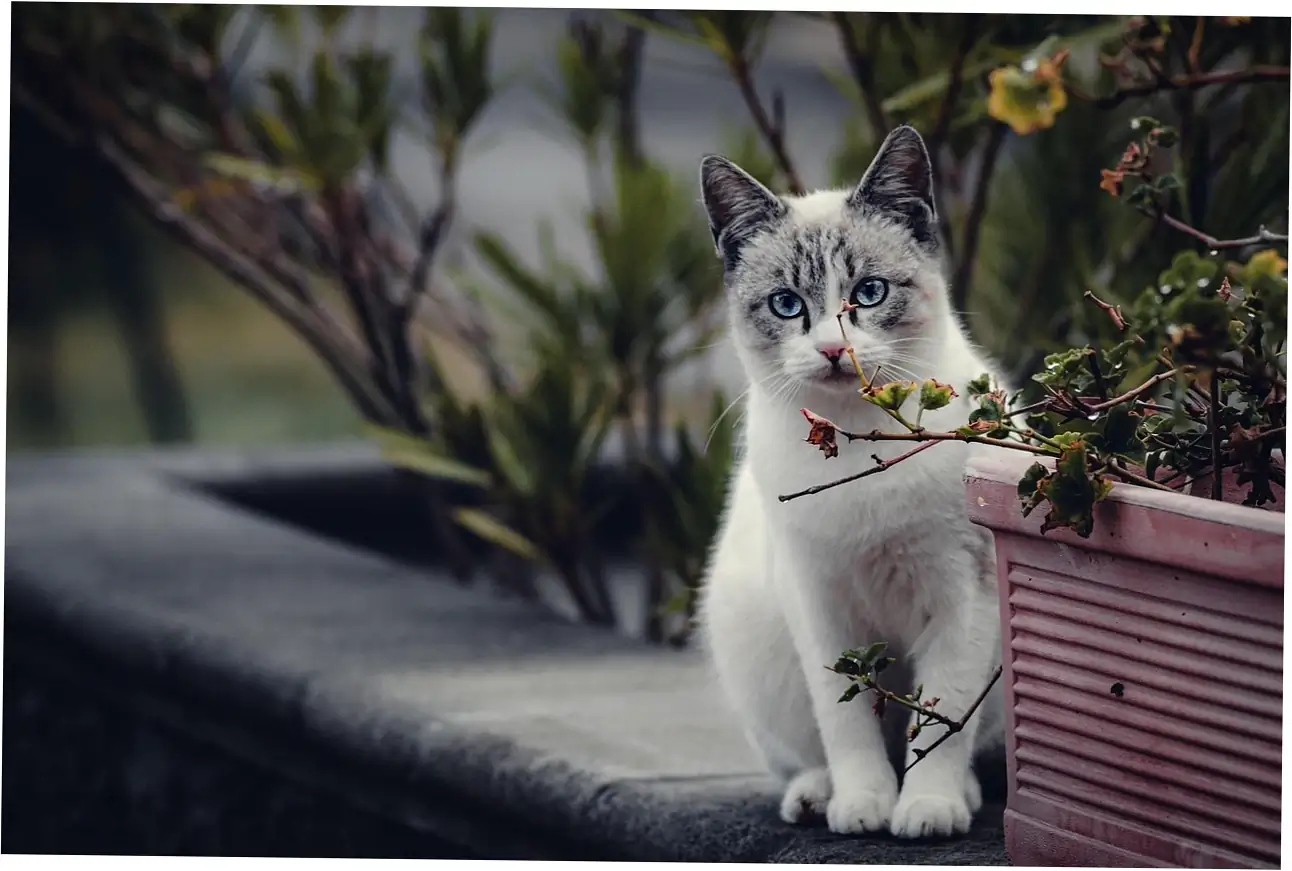
So, what happens at the vet’s office?
Your vet will do a full check-up if they’re worried the purring is a health issue. They’ll feel your cat’s belly, check their joints, and look in their mouth and ears. That diary you kept? They’ll really depend on that info.
Next, they’ll probably run some basic tests—blood work and a urine check. This helps look for things like an overactive thyroid or kidney trouble, which can both make your cat act differently.
They might also take X-rays to see if there’s arthritis or something else wrong inside. If a gut issue is suspected, an ultrasound could be next. Be ready to talk all about your cat’s past and any recent changes at home, too.
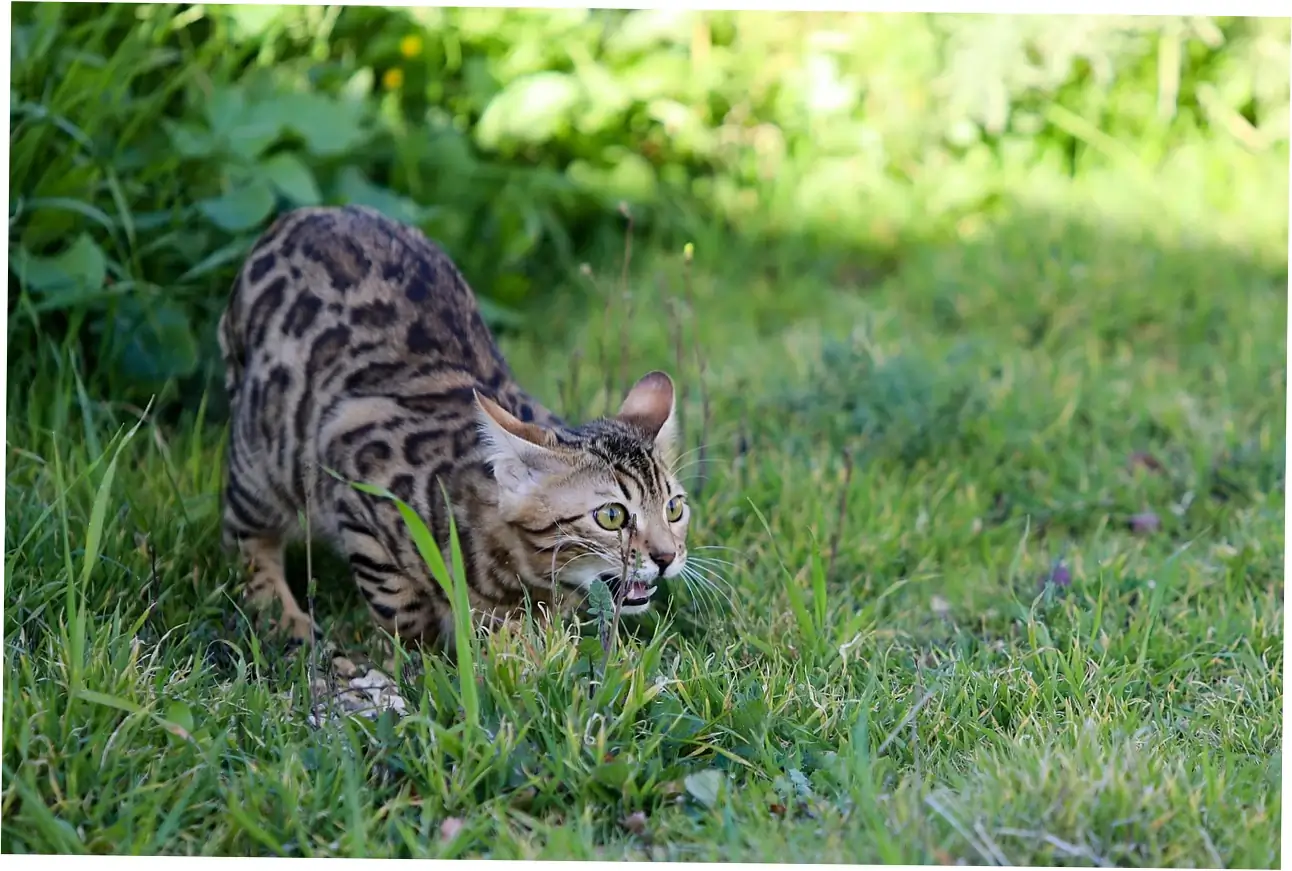
Management and Care for a Chronically Purring Cat
Medical Management of Underlying Conditions
First, figure out what’s really going on. If the vet finds a health problem, you’ll need to tackle that main issue to help with the non-stop purring. For hyperthyroidism, this could mean medication, a specialized diet, or radioiodine therapy.
If it’s arthritis, the vet could suggest joint supplements—look for ones with that VOHC seal—or maybe prescription anti-inflammatories and a plan to manage the pain. Dental problems?
They might need a proper cleaning while they’re under anesthesia. Once you get that underlying illness under control, the weird, constant purring usually stops.
Enhancing Comfort and Quality of Life
Now, let’s talk about making life comfy for your cat. No matter what’s causing the purring, a better setup at home cuts down on stress and makes them feel better.
Make sure they can easily get to everything they need—think extra litter boxes and a few water bowls around the house. Older cats especially will love a nice, supportive orthopedic bed. Try some gentle playtime together.
It’s a natural way to boost their feel-good endorphins. If your cat has long-term pain, things like acupuncture or physical therapy from a certified vet pro can really help. I’ve seen it myself with arthritic cats.
Mixing their prescribed meds with a cozy heated bed and some easy play made a huge difference. They didn’t need to purr from pain as much anymore.
Summary and Proactive Feline Care
That purring sound your cat makes is a really strong way for them to talk to you, but when it’s going non-stop.
you’ve gotta pay close attention to figure out what it means. Sure, a lot of the time it means they’re super happy, but a cat purring all the time can also be a quiet hint that something’s wrong—like they’re in pain, stressed out, or sick.
The big thing to watch for is if this is different from how your cat usually acts. Look for other signs of health issues, too. So, keep a sharp eye on your kitty, maybe jot down notes about their purring habits, and team up with your vet.
That way, you can make sure that constant rumble is just them being cozy and not a secret call for help. Don’t forget, you’re the one who knows your cat best and can speak up for what they might need, even when they’re not meowing about it.
Call to Action (CTA)
Ever heard your cat purr and it just didn’t sound right? Like it made you a bit nervous? Drop your story in the comments!
What you share might help another cat owner catch those early warning signs about their cat’s constant purring and health issues. Want to get better at understanding your cat? Check out our other article, Decoding Your Cat’s Tail: Secrets of the Swish.
Here are some common questions people have.
My cat won’t stop purring when I give her pets. Should I be worried about her health?
Not always. If your cat is the one asking for pets and seems totally chill—like she’s slow-blinking or kneading—then all that purring is probably just fine. You should only start worrying if this is something new, or if she seems tense—like her skin is twitching or she’s trying to get away.
Is it possible for a cat to purr too much?
Purring itself isn’t going to hurt your cat. But sometimes, constant purring can be a sign of a deeper problem, like ongoing pain or serious stress. If you don’t treat that root cause.
it can definitely be bad for her. Think of the purr as a clue. The real goal is to figure out what’s causing it and deal with that.
How can you tell if a purr means your cat is in pain?
A pain purr doesn’t always sound totally different. Sometimes it might seem more forced, a bit louder, or not as deep. The situation your cat is in tells you more than the sound itself.
If your cat is purring while just lying there alone, not looking for attention, and she seems stiff, is hiding more, or isn’t eating or grooming like usual—that’s a bigger red flag.
What if my cat is purring in her sleep? Should I wake her?
No, definitely let her sleep. Cats sometimes purr when they’re in a light sleep. It’s probably just a way they comfort themselves. Waking her up could just stress her out. Just keep an eye on the big picture.
If she only purrs in her sleep and is otherwise her normal, healthy self, it’s probably nothing to worry about. If the constant sleep-purring still has you concerned, try taking a video to show your vet.