
Blog
Why Does My Cat Purr Constantly While Sleeping?

My cat’s sleeping habits have always fascinated me, especially how she almost always purrs softly while she sleeps. It’s a really common but interesting thing cats do, and it often makes owners wonder what it means. Is she just super happy, is she calming herself down, or could it be a sign of something else? This article digs into the science and meaning behind why cats purr in their sleep. We’ll figure out the difference between normal, happy purring and purring that might point to a health problem. We’ll look at what physically causes it, what your cat might be feeling, and what it could mean for her health. This will help you understand all those nighttime sounds better.
Table of Content
Let’s figure out what it means when your cat purrs in its sleep—is it happy or is something wrong?
First, let’s look at the science behind a sleeping cat’s purr.
Here’s how it works: a cat’s purr comes from fast, steady contractions in its throat muscles, working with the diaphragm to make vibrations between 25 and 150 Hertz. When they’re asleep, this can happen without them even thinking about it.
Some research thinks these vibration frequencies might help with bone strength and healing, so a cat purring all the time when sleeping could be its way of fixing itself up.
So it’s not just about being happy while awake. It’s a built-in body response that can kick in on its own during light sleep or dream sleep.
What sets it off? Feeling super cozy is a big reason, but a cat might also purr in its sleep to calm itself down. It’s like a kid sucking their thumb for comfort. You see this a lot in cats that were taken from their mom too soon.
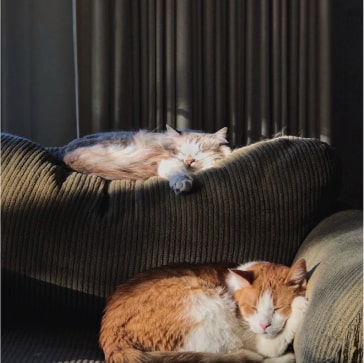
The purring vibration releases feel-good chemicals, helping them chill out and sleep deeper. The key is to look at the whole picture. If your cat is snoozing all loose and floppy, with relaxed whiskers and paws.
that sleep purr probably means pure bliss. But if its body looks tense while it’s purring away in its sleep, you should pay closer attention.
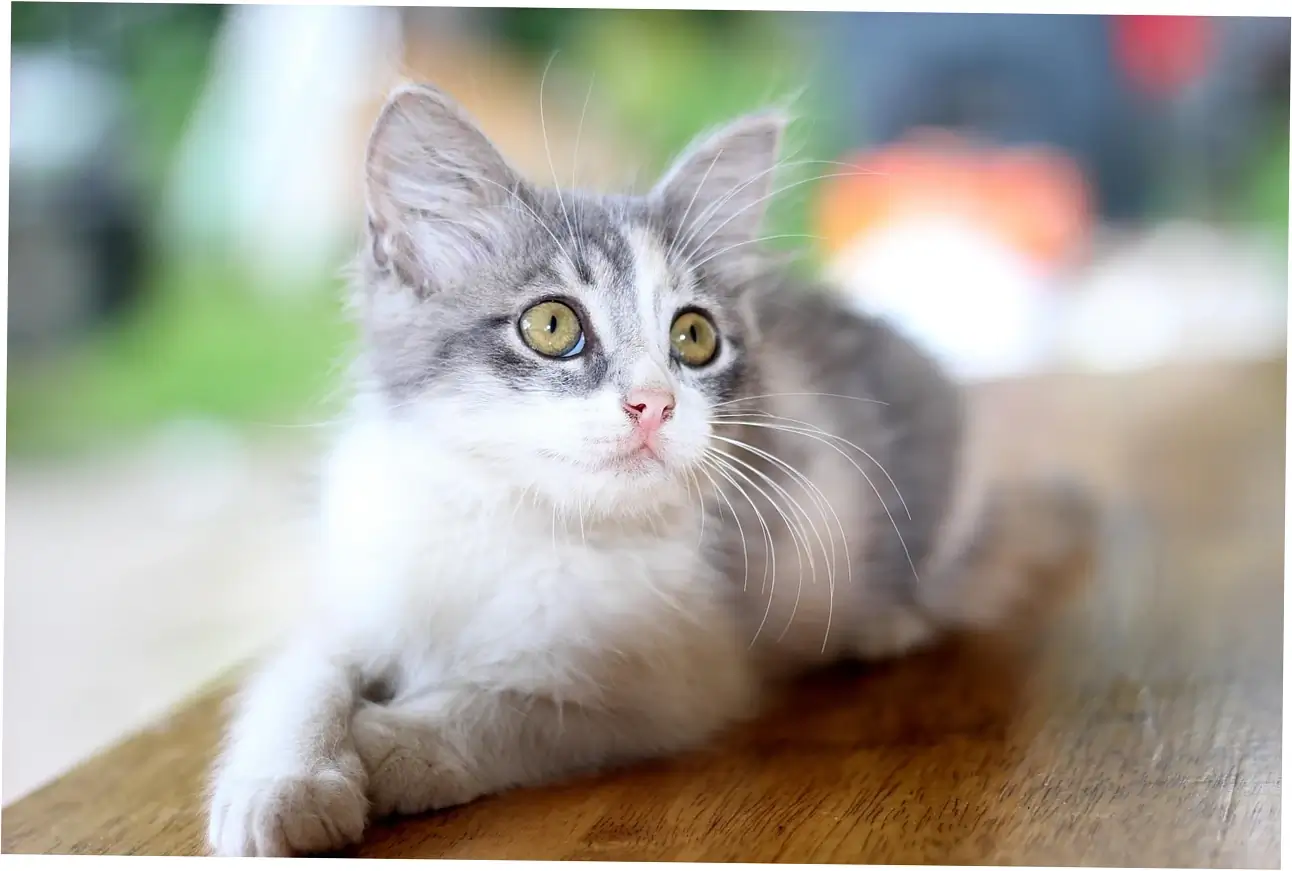
When a sleeping cat’s purr might mean it’s uncomfortable
Spotting stress or pain: Purring isn’t just for happy times. Cats also purr when they’re hurt, stressed, or in pain. This kind of How can you tell the difference? Listen to the purr itself—it might sound louder or more frantic.
Also watch for other clues like hiding, eating less, or sleeping in a weird, tense My cat Jasper once purred non-stop in his sleep when he had a hidden urinary tract infection. His purr had a slightly strained sound to it, which was a small sign that made me take him to the vet.
Here’s a handy checklist to tell a normal sleep purr from a worrying one. Watch for these signs together. Try keeping a simple log for a week. Jot down how long and how strong the purr is, and what your cat’s body language is like before, during, and after its nap.
| Signs of a Normal Purr | Signs That Might Be a Concern |
|---|---|
| Sleeping in a relaxed, stretched-out pose | Sleeping hunched up, tense, or in a tight \ |
| The purring stops when they wake up and you pet them | The purring keeps going strong even after they wake up |
| Eats normally and plays like usual when awake | Acts tired, hides, or doesn’t want to interact much when awake |
| Eyes and face look relaxed, whiskers pointing forward | Twitching, a tense face, or half-closed eyes while purring in sleep |
How age and breed affect purring habits.
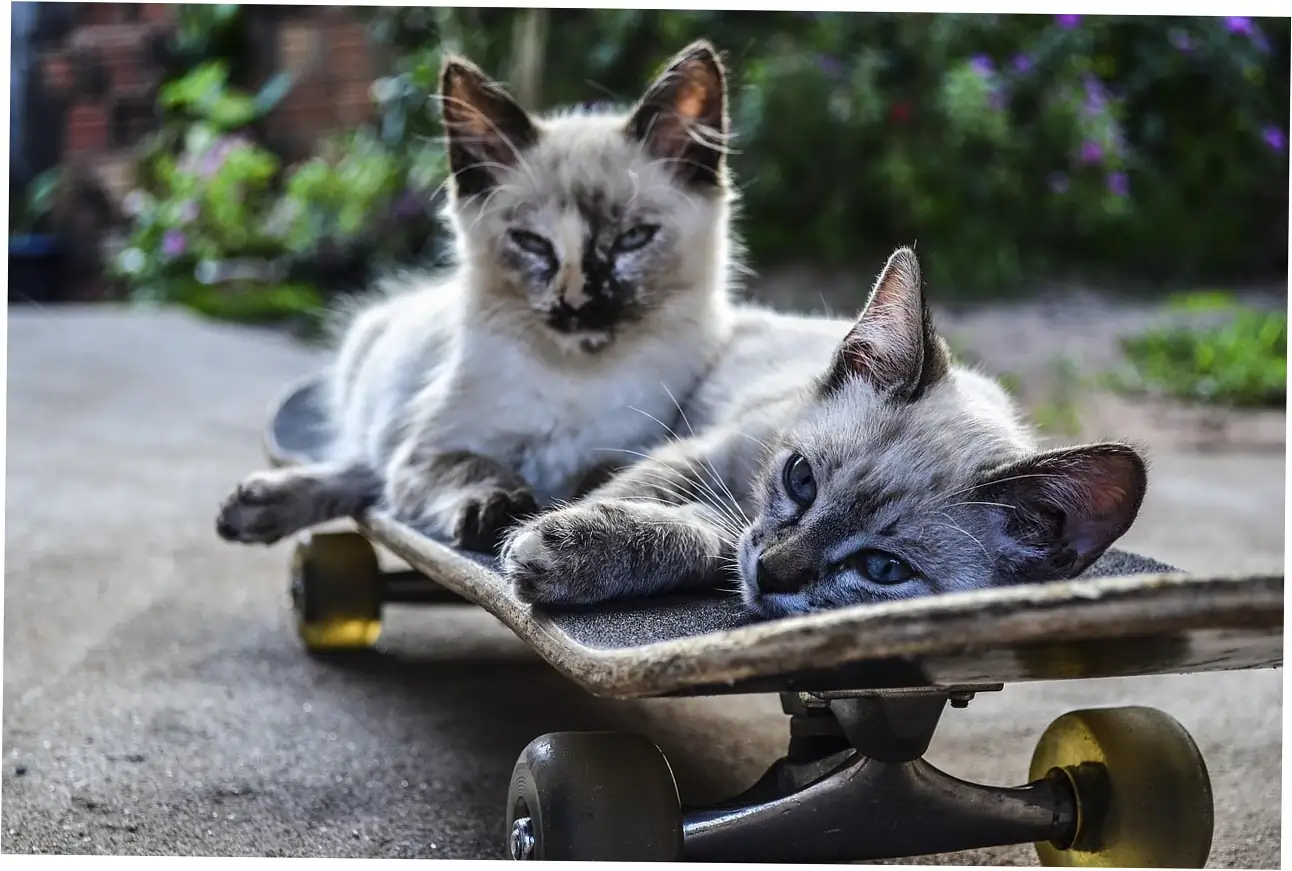
Kittens and older cats: Purring patterns change with age
Kitten stuff: Right from the start, kittens purr when they’re nursing and sleeping. This helps them bond with mom and shows they’re doing okay. This baby purring often sticks with them into adulthood when they sleep.
becoming a deep-rooted comfort thing. Kittens raised without their mom or by people might purr more noticeably in their sleep to comfort themselves—I’ve seen this in foster kittens.
For senior cats, more purring during sleep can be tricky to figure out. It might mean they’re super comfy in their old age, but it could also be covering up constant pain from arthritis or bad teeth.
Older cats move around less, so if they’re uncomfortable, you might hear it when they’re sleeping. If an older cat suddenly starts purring all the time when sleeping, especially if it’s also losing weight or meowing more, that’s a good reason to see the vet.
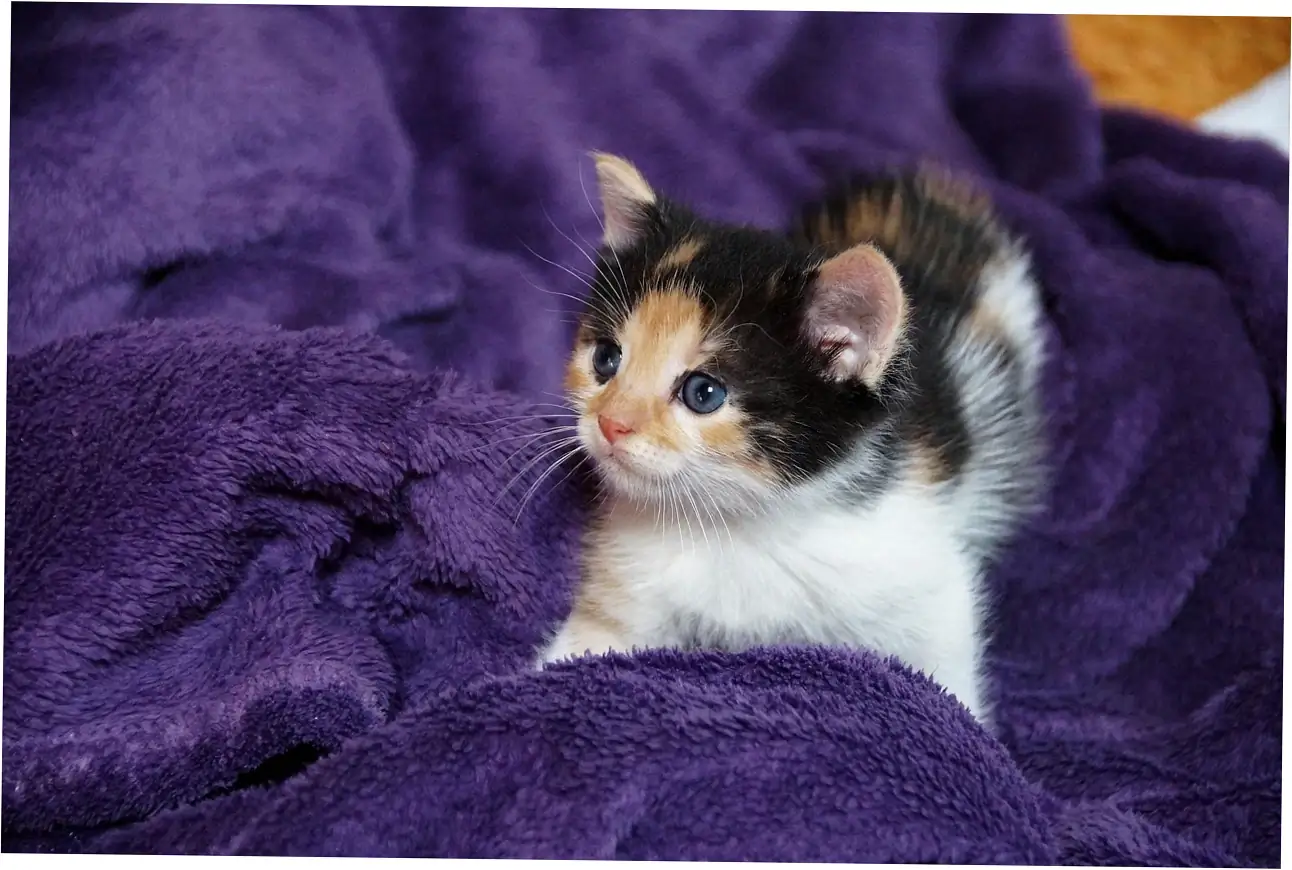
Breed tendencies and personality
Built-in chattiness: Some cat breeds are just born more talkative and likely to purr a lot. Oriental breeds like Siamese or Tonkinese are famous chatterboxes and might purr more in their sleep.
On the other hand, breeds like the British Shorthair are usually much quieter. For example, my friend’s Ragdoll purrs nearly non-stop while sleeping, which fits the breed’s super chill and cuddly personality.
Personality matters more than just breed. A confident, secure cat is more likely to let out those happy sleep purrs.
| Breed Group | How Vocal/Purry They Usually Are | How Common Sleep-Purring Is |
|---|---|---|
| Oriental (like Siamese, Balinese) | High | Very Common |
| Natural/Basic (like Maine Coon, Ragdoll) | Moderate to High | Common |
| Persian/Exotic | Low to Moderate | Less Common |
| British Shorthair | Low | Rare |
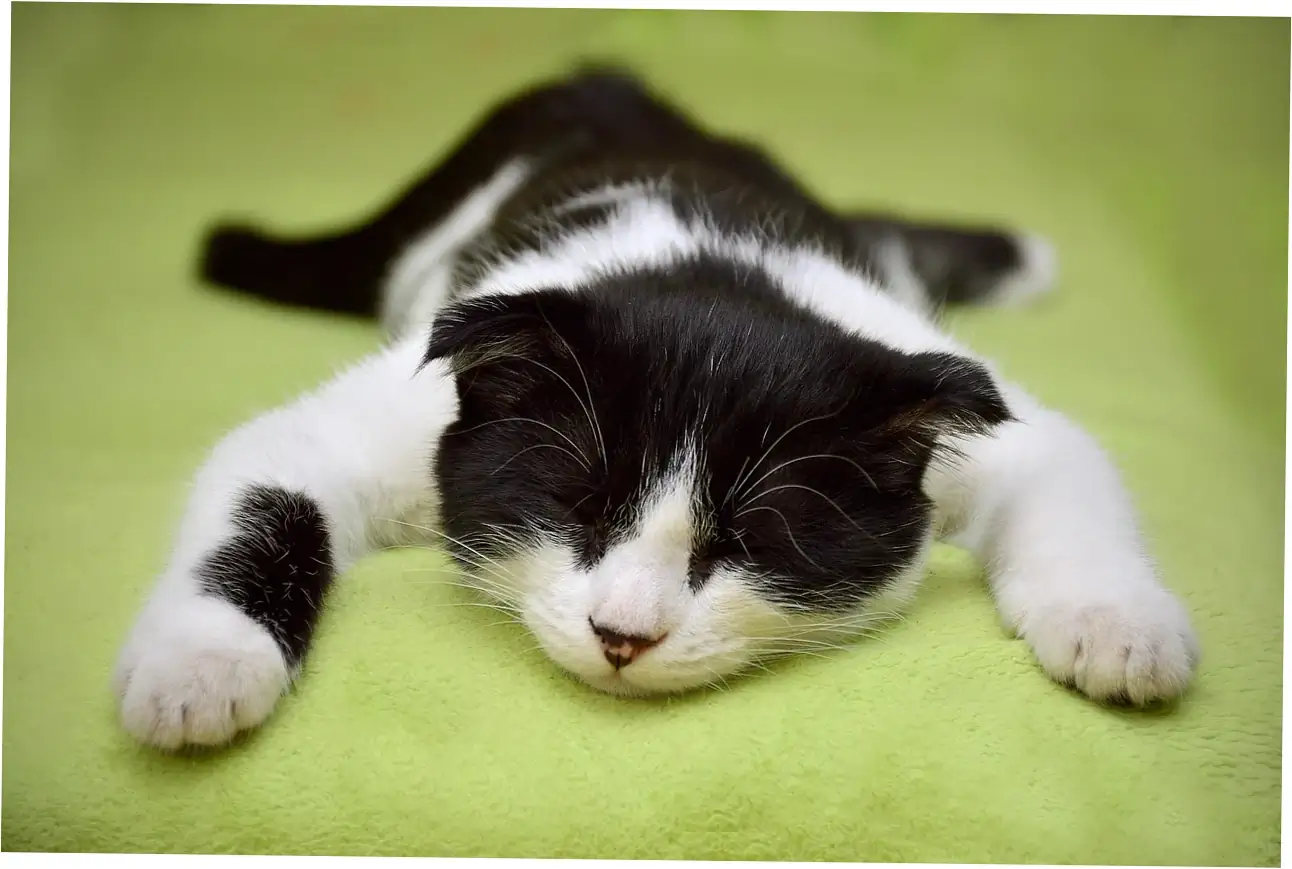
Optimizing the Environment for Restful Sleep
Creating a Purr-Inducing Sleep Sanctuary
Essential Comfort Factors: Want your cat to purr all the time when sleeping? First, give them their own cozy, safe spot. They love high-up, snug places—think a covered cat bed or a perch on a cat tree, with some soft, easy-to-wash bedding.
Where you put it really matters. Pick a quiet corner without much foot traffic, safe from drafts, but where they can still keep an eye on their kingdom. Getting the temperature right is a big deal for sound sleep.
Cats doze off much better in warm spots, somewhere around 72 to 77 degrees Fahrenheit. Try a heated pet bed or a blanket you’ve warmed up in the dryer (just keep an eye on it). That warmth can really kickstart a deep, purr-filled sleep.
Scent and Sound Security: Things like Feliway diffusers work great too. They copy a cat’s natural calming scents, which helps ease their nerves and leads to more relaxed sleep.
A bit of soft background noise helps as well—a white noise machine or some quiet music can cover up scary sounds from outside. From my own experience, putting one of those diffusers in my bedroom really helped.
My nervous rescue cat stopped fidgeting so much at night and started having longer stretches of quiet, purry sleep.
Keeping an eye on your cat’s health and knowing when to call the vet.
Watch out for these warning signs in your cat’s nighttime purring.
First, focus just on the purring. Is this a new thing, or has it gotten a lot louder or more frequent? Is purring the only thing you’ve noticed? If your cat purrs all the time when sleeping *and* shows other changes, that’s when you should worry.
The chart below helps you spot groups of symptoms that are a problem. For example, if your sleeping cat purrs constantly, drinks more water, and loses weight, it might point to diabetes or kidney trouble.
| If you see these symptoms together | It could mean | What you should do |
|---|---|---|
| Sleep-purring weight loss increased thirst | Could be diabetes or kidney disease. | Get to the vet fast for blood tests. |
| Sleep-purring stiffness reluctance to jump | Might be arthritis or sore joints. | See the vet to help manage the pain. |
| Sleep-purring bad breath pawing at mouth | Probably a dental problem. | Time for a vet to check its teeth. |
| Sleep-purring hiding aggression when touched | Could be long-term pain or a lot of stress. | Vet amp; Behavioral Consultation |
Proactive Health Checks: Schedule bi-annual wellness exams for senior cats (7 years) and annual for adults. Make sure to tell your vet about your cat’s habit of purring all the time when sleeping.
The vet can check for pain by feeling your cat and might suggest tests like blood work or x-rays if something seems wrong. Catching things early works better and saves money in the long run.
Understanding these sleep sounds can make you and your cat closer.
How to figure out and react to what your cat is saying at night.
Be respectful by learning what stage of sleep your cat is in. If they’re purring in a deep sleep, paws twitching (that’s REM sleep), just let them be. If they’re lightly dozing and purring.
a slow blink from you across the room says I love you without bothering them. Don’t just reach out and pet a sleeping, purring cat. You might scare them and ruin their feeling of safety.
Reward the good vibes. When your cat wakes up from a purry nap, give some calm pets or speak softly. This tells them it’s totally safe to be relaxed and happy around you. Try a bedtime routine too.
A quick, gentle brush or a special treat in their bed can make them link sleep time with good, purr-worthy feelings.
So, most of the time, a cat that purrs all the time when sleeping is just really happy and comfy. It’s their way of saying they feel totally safe at home. But you still need to pay attention to the bigger picture.
Watch the details—how the purr sounds, how they’re lying, what else they’re doing. That way, you’ll know if this cute habit is a sign of good health or a hint that something hurts. Love that purring as part of who your cat is, but keep a watchful eye in the back of your mind while you enjoy it.
Wanna get really good at understanding cat talk?
Tell us about your cat’s sleep sounds in the comments! Does your cat purr all the time when sleeping?
If you want to learn more, check out our full guide on cat body language and the noises they make.
Got questions about your cat purring in its sleep?
Is it normal if my cat purrs all the time when sleeping?
Yeah, for a lot of cats, that’s totally normal. When they purr a lot while sleeping, it usually means they’re super happy, relaxed, and feel completely safe. It’s a self-soothing habit they often keep from when they were kittens.
But what’s normal depends on your cat. If an older cat suddenly starts purring way more in its sleep, keep an eye on it.
Could my cat purring constantly during sleep mean it’s in pain?
It’s possible, yes. Sometimes cats purr to comfort themselves if they’re hurting or stressed. That’s why you need to look at the bigger picture. If the sleep purring is from pain, you might see other signs too.
Their body might look tense, they might hide when awake, eat differently, or not want to be petted. If you notice a few of these things together, it’s time to check with the vet.
Do certain cat breeds purr more in their sleep?
A cat’s own personality matters most, but some breeds do tend to purr more. Usually, chatty and friendly breeds like Siamese, Ragdolls, and Maine Coons are more likely to purr a lot, even while sleeping.
Quieter or more independent types, like Persians or British Shorthairs, might not sleep-purr as much or as loudly.
Should I wake up my cat if it’s purring loudly in its sleep?
You probably shouldn’t. Waking a sleeping cat, even if it’s purring, can scare and stress it out. Purring in sleep usually means they’re in a deep, restful sleep. Just let them wake up on their own.
If you’re worried, check on them quietly from afar. Just watch their breathing and how they’re lying, without touching them.