
Blog
What is the average Maine Coon cat lifespan?

If you’re bringing a Maine Coon into your home, you’ll want to know how long they usually live since it’s a big commitment. These big, gentle cats are famous for their huge size and dog-like behavior, and they typically live 12 to 15 years. But lots of things affect how long they live, like their genes, what they eat, and getting regular vet care. Many owners who take great care of their Maine Coons say their cats live happily into their late teens. This guide will show you what helps Maine Coons live longer and how you can give your cat the best chance at a long life with good care and watching their health early on.
Table of Content
Factors Determining Maine Coon Longevity
Genetic Health Considerations
Good breeders use genetic testing these days to spot health issues that might affect how long Maine Coon cats live. HCM is the biggest genetic problem that can shorten a Maine Coon’s life, so regular heart check-ups are really important.
Some Maine Coon families might also have spinal muscular atrophy or hip dysplasia. When you’re picking out a Maine Coon kitten, make sure to ask for health records of the parents from places like Paw Peds.
DNA testing for cats has gotten easier to get lately, so breeders can make smarter choices that help Maine Coons live longer over time.
Where you get your Maine Coon really matters for how long they might live – whether it’s from a shelter or a good breeder. Trustworthy breeders focus on keeping cats healthy rather than just how they look.
They’ll give you solid health guarantees and be open about the medical history of their breeding cats. Stay away from breeders who do sketchy stuff like inbreeding or using cats with health problems.
By choosing breeders who participate in health registries and perform recommended screenings, you dramatically increase the likelihood of your Maine Coon reaching their maximum lifespan potential of 15 years.
Nutritional Impact on Lifespan
Good food is key to helping Maine Coons live long lives, but what they need changes as they grow older. These big cats need the right mix of protein with taurine for their hearts, not too much phosphorus for their kidneys.
and omega-3s for their joints. Most cat nutrition experts say to give Maine Coons both wet and dry food – it keeps them hydrated and helps their teeth too.
New research shows that trying different proteins like rabbit or duck might help cats with sensitive stomachs and could even help them stay healthy longer.
Keeping your Maine Coon at a healthy weight really affects their lifespan since being overweight can lead to diabetes, arthritis, and heart trouble. Use measuring cups for their food instead of leaving it out all day, and feed them at regular times.
Puzzle feeders are great for making them eat slower and keeping their brains busy. Weigh them regularly because it’s easy to miss weight gain under all that fluffy fur.
When Maine Coons get older, cut back on calories but keep the protein up – this helps them stay strong without getting fat and keeps them feeling good in their golden years.
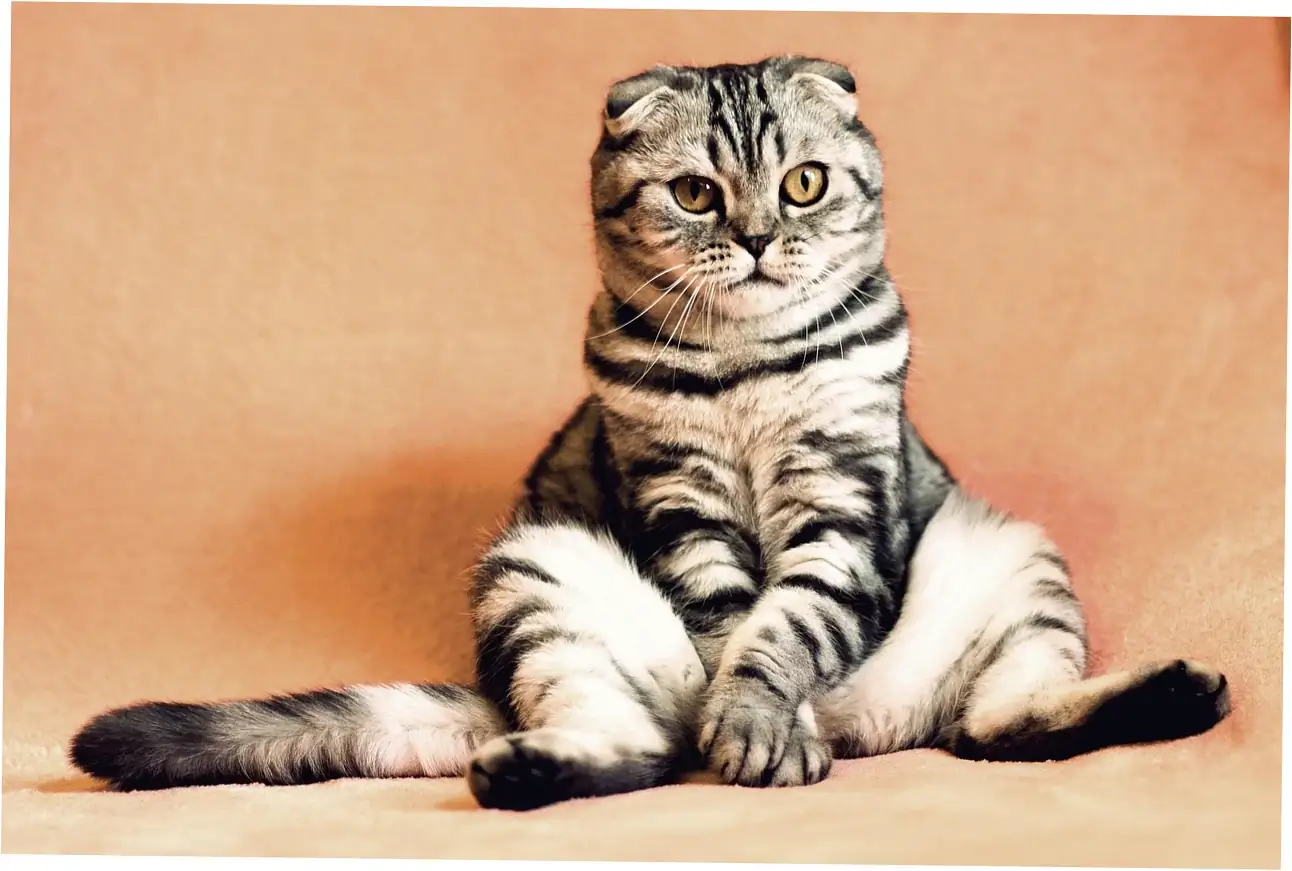
Want your Maine Coon to live longer?
Here’s how to keep your Maine Coon healthy
Find a vet who knows big cats well, this really helps your Maine Coon live longer Take them for check-ups twice a year instead of once, you’ll catch health issues sooner Don’t forget their teeth.
gum disease can cause bigger problems with their heart and kidneys Talk to your vet about shots, you want protection without side effects Good preventive care is key to how long Maine Coon cats live.
Keep parasites away, this helps Maine Coons live longer by stopping flea and mosquito diseases Even indoor cats need heartworm prevention, mosquitoes get inside Your vet can help pick the right prevention for your cat’s age and health Poop checks find worms that might stop your cat absorbing nutrients properly Today’s parasite meds work better and are safer long-term, so it’s easier to help your Maine Coon live longer.
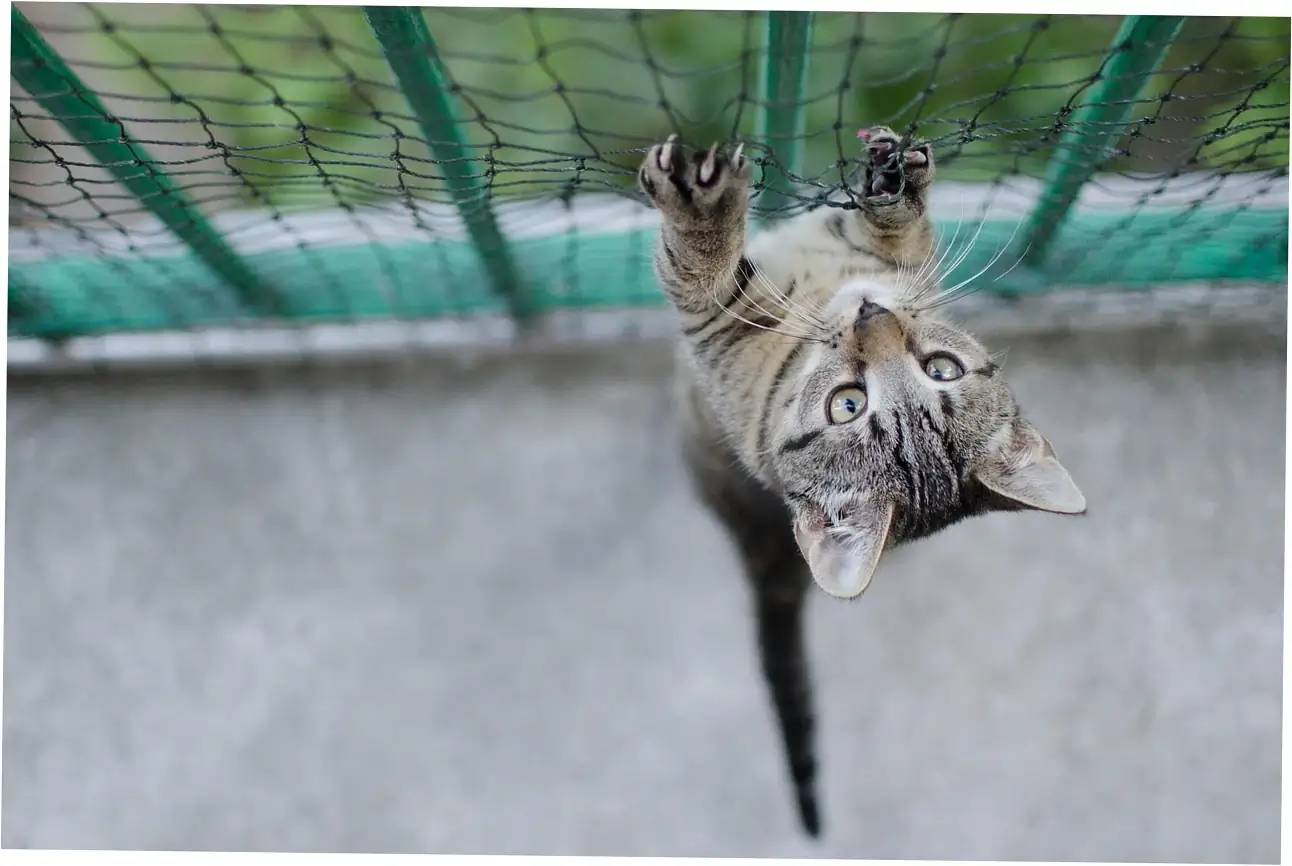
Make your home Maine Coon friendly
A fun indoor space helps Maine Coons live longer, it keeps them safe outside and reduces stress These smart cats need high places to climb, safe window spots, and toys that let them hunt Get rid of dangerous plants.
open windows, and small things they might eat Put litter boxes in quiet spots, stress from bad bathroom habits can hide health problems A good environment means less stress and more natural behavior, this adds years to your Maine Coon’s life.
| Age | Years | What to watch for | Vet visits needed |
|---|---|---|---|
| Baby cat | Under 1 year | Shots, meeting people, good food for growing | Every month until 4 months old |
| Grown up | 1 to 7 years | Watch their weight, teeth, and get regular checks | Full check-up once a year |
| Older cat | 8 years | Check joints, organs, and look for cancer | Twice a year with blood tests |
Maine Coons face some common health issues
Let’s talk about managing inherited conditions
Heart health is super important for Maine Coons. hypertrophic cardiomyopathy is their biggest lifespan threat. Studies show about 30% carry genes for this condition. Start regular heart scans when they turn 3.
This sets a baseline and catches problems early. Keep an eye out for warning signs like fast breathing, tiredness, or breathing with their mouth open. Medicines like beta-blockers can manage early heart issues and help affected cats live longer. Vet heart care keeps getting better at finding and treating this inherited problem.
Their large size makes joint problems common. Hip issues and back trouble can affect their mobility as they age. Use supportive beds to ease joint pressure. Start joint supplements with glucosamine when they reach middle age.
Keep them active with play that gets them moving but doesn’t involve too much jumping. Keeping their weight down is key since extra pounds put more strain on their joints. Cat-friendly physical therapy helps keep their muscles strong to support their bones their whole life.
Health concerns as Maine Coons get older
Kidney health matters a lot for older cats. Supporting their kidneys helps Maine Coons live longer. Yearly blood tests check kidney levels and catch problems early when treatment works best.
Get them to drink more by offering multiple water bowls, fountains, and adding wet food to their meals. Many vets suggest kidney supplements like omega-3s for older Maine Coons.
especially if their kidney numbers are borderline. These steps can really slow down kidney decline and directly affect your Maine Coon’s lifespan.
Dental health isn’t just about teeth. Gum disease causes inflammation that can hurt their heart, kidneys and liver, shortening their life. Start dental care young with regular brushing using cat toothpaste and approved dental treats.
As they get older, professional cleanings with anesthesia become more important, even with the small risks. Today’s anesthesia methods and pre-surgery blood tests make dental work safer for older Maine Coons, protecting their overall health.
| Factor | Positive Influence | Negative Influence | Average Impact on Lifespan |
|---|---|---|---|
| Indoor vs Outdoor | Indoor only | Outdoor access | 3-5 years for indoor cats |
| Weight Management | Ideal body condition | Overweight/obese | 2-3 years with proper weight |
| Preventive Dental Care | Regular cleanings | No dental care | 1-2 years with good dental health |
Senior Maine Coon Care Essentials
Adapting Your Home Environment
Mobility accommodations: As Maine Coons enter their senior years (typically 8 ), physical limitations may develop that require home modifications to maintain their quality of life.
You can add ramps or steps to help them reach their favorite spots on furniture and beds, which takes pressure off their older joints. Put litter boxes with low sides in easy-to-reach spots because arthritis can make it tough for them to climb into high boxes. Heated beds are great for soothing their sore joints, especially when it gets cold outside. Non-slip floors help stop them from slipping and getting hurt. These changes respect what your older Maine Coon needs as they age and help keep them comfortable throughout their life.
Cognitive support strategies: About 28% of cats between 11-14 years old and half of cats over 15 get something like cat dementia, so keeping your senior Maine Coon’s mind active is really important for how long Maine Coon cats live.
Stick to regular routines to help them feel less confused or anxious, but also mix things up with food puzzles and different interactive toys. Some supplements with special fats, antioxidants, and omega-3s might help keep their brain healthy.
Pheromone diffusers can calm down any worries they develop as they get older. Keep an eye out for changes in their behavior – like sleeping at different times, seeming confused, or meowing more – which could mean their thinking isn’t as sharp and you should talk to your vet.
Nutritional Adjustments for Seniors
Senior-specific dietary modifications: As Maine Coons get up there in years, what they need to eat changes because their metabolism, organs, and ability to move around are different now.
Switch them to senior cat food that has the right phosphorus for their kidneys, more omega-3s for their joints, and easy-to-digest protein to keep their muscles strong.
Most older cats do better with several small meals throughout the day instead of just one or two big ones. Ask your vet about cutting back on calories since they’re not moving around as much and you don’t want them putting on extra weight.
Making sure they drink enough water gets more important as they age, so try mixing water into their wet food or giving them bone broth to get them to drink more.
Appetite management techniques: Older Maine Coons might not smell or taste as well as they used to, have sore teeth, or have other health problems that make them less interested in eating.
Warming their food a bit makes it smell better, and try giving them different kinds of tasty foods with various textures. Take care of any tooth problems right away because sore mouths are a big reason why older cats stop wanting to eat.
Your vet can prescribe medicines that boost their appetite or settle their stomach if they’re feeling sick. Keeping an eye on how much they’re eating and how their body looks lets you catch any feeding problems early, which really helps your older Maine Coon stay happy and comfortable throughout their life.
Keeping track of your Maine Coon’s health journey
Health Monitoring Systems
You can watch your Maine Coon at home to spot small changes that might mean health problems are starting. Keep a health journal where you write down their weight, how much they eat and drink, litter box use, and how they act.
Check if they’re drinking enough by gently pinching the neck skin – if they’re hydrated well, it should bounce right back. Watch their breathing rate when they’re resting each week because faster breathing can mean heart or lung trouble.
Note how much they groom themselves since grooming less usually means they’re in pain or sick. These easy checks give your vet helpful information and can help catch problems early, which really helps your Maine Coon live longer.
Now there’s cool tech that can help you watch your Maine Coon’s health and might even help them live longer. Smart litter boxes keep track of how often they go and notice changes in their peeing habits.
Activity trackers show you exactly how much they sleep and move around. You might want pet cameras with sound so you can see what they’re up to when you’re not home. Special pet scales pick up small weight changes better than regular people scales.
All this tech builds complete health pictures that show when they need vet care, which is a big step forward in keeping your Maine Coon healthy and helping them reach their full lifespan potential.
| Age | Lifespan Equivalent | Common Health Developments | Recommended Care Adjustments |
|---|---|---|---|
| 0-2 years | Childhood to young adult | Growth completion, social development | Spay/neuter, vaccination completion |
| 3-7 years | Prime adulthood | Weight management, dental health | Annual blood work, dental care |
| 8-12 years | Senior | Early arthritis, metabolic changes | Semi-annual vet visits, joint support |
| 13 years | Geriatric | Organ function decline, sensory loss | Comfort-focused care, mobility support |
When you know what affects how long Maine Coons live, you can make better choices that really help your cat live longer. Genetics matter some, but taking good care of them with the right food, regular vet care.
and a good home setup adds more years and keeps them happier. Don’t forget every Maine Coon is different – some live way past the average Maine Coon lifespan when they get really great care.
The special connection you have with your big fluffy friend makes all the work to keep them healthy totally worth it.
Want to make your Maine Coon’s health journey even better? Tell us about your Maine Coon care experiences below, or check out our full guide on Maine Coon food for more tips to help your cat live longer!
FAQ About how long do maine coon cats live
What is the longest recorded Maine Coon lifespan?
We don’t have many official records, but lots of people say their Maine Coons made it to 20 years or even longer. What helps these cats live so long? Regular vet check-ups, keeping them at a healthy weight.
good genes, and keeping them indoors. These amazing stories show just how long Maine Coons can live when everything goes right.
Do male or female Maine Coons live longer?
From what we know now, boy and girl Maine Coons live about the same length of time, especially if they’re fixed. With good care, both males and females usually live 12 to 15 years.
But cats that aren’t fixed can have problems – females might get reproductive cancers, and males often get into trouble when they roam outside. Getting your cat fixed actually helps them live longer by cutting down on certain health risks.
How does indoor versus outdoor living affect Maine Coon lifespan?
Indoor Maine Coons usually live 3 to 5 years longer than outdoor cats because they avoid accidents, fights with other animals, parasites, and diseases.
If you make your home interesting for them with toys and climbing spots, they’ll be happy and safe indoors. If you want to give them some outdoor time, try a secure cat patio or train them to walk on a leash – they get fresh air without the risks.
What are the most common causes of premature death in Maine Coons?
The biggest genetic health worry for Maine Coons is a heart condition called hypertrophic cardiomyopathy, and outdoor cats often die in accidents. Other things that can shorten their lives include being overweight.
dental problems that spread through their body, and kidney issues that go unnoticed. Taking your cat to the vet regularly and being a responsible owner can really help your Maine Coon live longer.