
Blog
How Many Human Years Does Your Cat Live?

Lots of cat owners ask themselves, how old would my cat be in human years? You’ve probably heard that one cat year equals seven human years, but vets now know it’s not that simple. How long cats live in human years really depends on their breed, whether they stay indoors or go outside, and how well you take care of them. Knowing your cat’s age in people years helps you give them the right care at every stage of their life.
Table of Content
- Demystifying Cat Years to Human Years Conversion
- Factors Determining Your Cat’s Lifespan Potential
- Average Lifespans: Indoor vs Outdoor Cats Compared
- Extending Your Cat’s Healthy Years: Practical Strategies
- Recognizing Age-Related Changes in Senior Cats
- Breed-Specific Lifespan Expectations and Considerations
- FAQ About Cat Lifespan in Human Years
Let’s clear up how cat years convert to human years
That old seven-year rule doesn’t really work, here’s what we know now
The big mistake people make is thinking you just multiply cat age by seven, but that doesn’t consider how fast cats age when they’re young Actually, cats grow up really fast in their first two years.
so a one-year-old cat is like a 15-year-old human By the time your cat turns two, they’re about 24 in human years, then each extra year adds roughly four human years This better way of calculating cat years to human years shows how cats don’t age at a steady rate.
Here’s an easy way to figure out your cat’s age in human years The first year counts as 15 human years Add 9 more human years for the second year, making 24 total After that.
just add 4 human years for every extra year This method matches up better with how cats actually develop and age, according to what vets see.
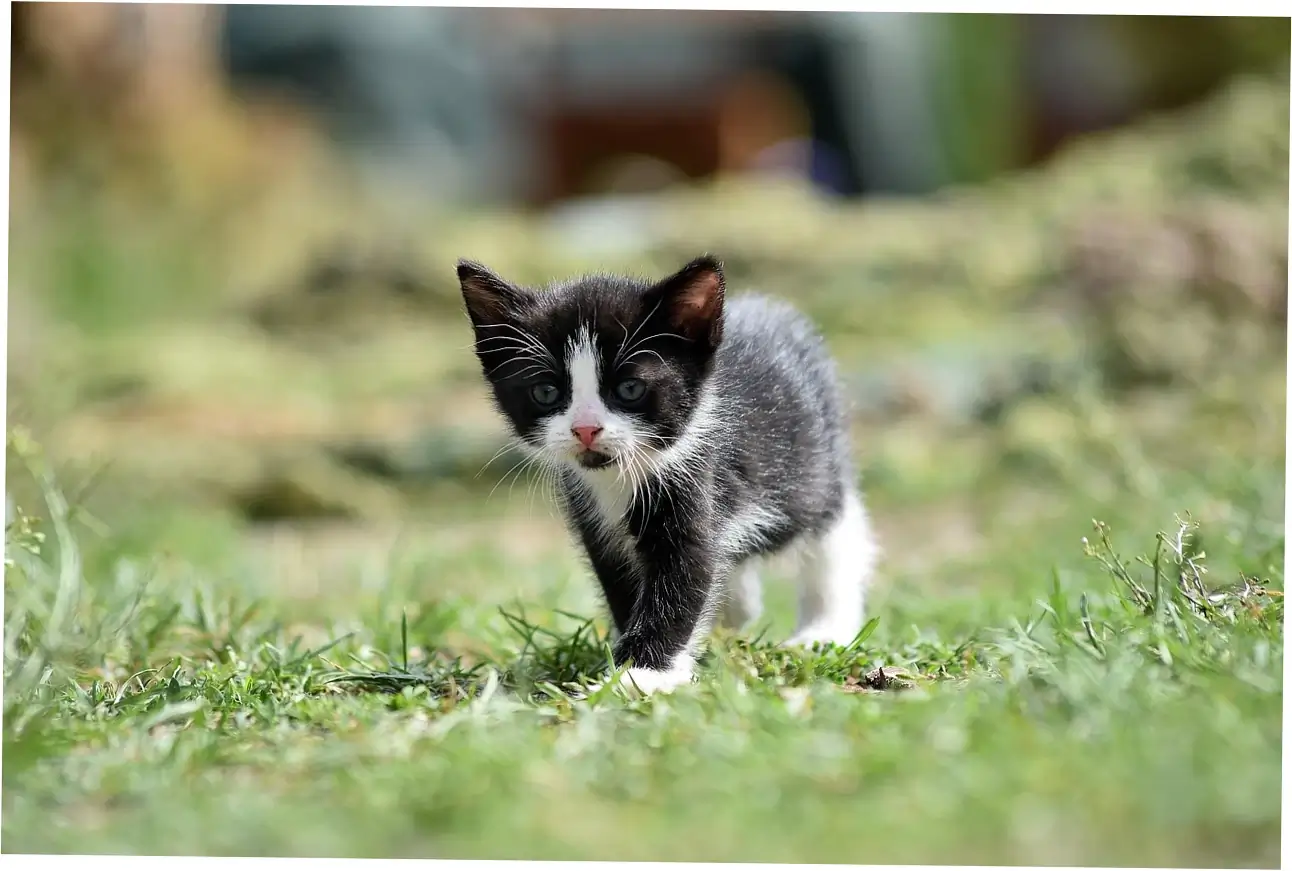
Cat life stages and their human age equivalents
To understand how cats age, you need to know about their different life stages and how they compare to human ages Kittens from birth to six months grow super fast.
like human babies turning into little kids Young cats from seven months to two years become fully grown and reach sexual maturity, kind of like human teens and young adults Adult cats aged three to six years are in their prime, much like people in their 20s through 40s.
Senior transition: Mature cats (7-10 years) enter middle age, approximately 44-56 human years, while seniors (11-14 years) and geriatric cats (15 years) correspond to humans in their late 60s and beyond. Each life stage comes with different health needs and care that cat owners should stay on top of.

Factors Determining Your Cat’s Lifespan Potential
Genetic and Breed-Specific Longevity Influences
Breed predisposition: Your cat’s genes really affect how long they live, and some cat breeds just naturally live longer than others. Mixed-breed cats usually live 12-15 years thanks to what’s called hybrid vigor.
but purebred cats like Siamese and Burmese can often make it to 15-20 years. On the flip side, bigger cats like Maine Coons and breeds with complicated genetics like Persians might not live as long because they can inherit certain health problems.
Genetic health considerations: How cats are bred makes a huge difference in how long they can live. When you get a cat from good breeders who test for inherited diseases like HCM and PKD, those cats tend to live longer and stay healthier.
Back when I worked in a vet genetics lab, we saw how careful breeding cut down PKD in Persian cats by more than 40% in just ten years.

Environmental and Care Factors in Feline Longevity
Lifestyle impact: Indoor cats live way longer than outdoor cats – we’re talking 12-15 years for indoor cats compared to just 2-5 years for outdoor cats.
Giving your cat things like cat trees, puzzle feeders, and fun toys keeps them from getting stressed or overweight, which really helps them live longer.
Feeding them the right food for their age, keeping them at a healthy weight, and taking care of their teeth can all add extra years to your cat’s life.
Preventive healthcare: Taking your cat to the vet regularly, keeping up with shots, and controlling parasites are the basics for helping them live long lives.
Getting blood tests done regularly can spot problems like kidney issues or hyperthyroidism before your cat even shows any symptoms. Having a vet who really knows cats can make a big difference in both how long your cat lives and how good their life is.

Let’s compare how long indoor and outdoor cats typically live in human years
Here’s the real difference in their lifespans and what puts them at risk
Outdoor cats don’t live as long because they face lots of dangers – cars, predators, fights with other animals, and poisons Vet records show indoor cats live about three times longer than outdoor cats According to vets.
indoor cats often make it to 15-17 years in human years, but outdoor cats usually don’t get past 5.
Here’s a quick comparison showing how lifespan and risks differ between indoor and outdoor cats.
| What we’re looking at | Indoor cats | Outdoor cats |
|---|---|---|
| How long they usually live | 12 to 15 years | Just 2 to 5 years |
| Common dangers they face | Getting overweight, dental problems | Injuries, poison, parasites |
| Vet care access | Regular vet visits | Usually only for emergencies |
| Stress they experience | Calm, safe home | Fighting over territory, bad weather |
How to make your home help your cat live longer
Make your home cat-friendly and you’ll help your cat live more healthy years Give them cat trees and shelves to climb, put litter boxes in quiet spots, and provide scratching posts Keeping them active and engaged prevents stress-related sickness and stops them from getting overweight.
Try setting up a daily play routine with wand toys that move like real prey Food puzzles make them work for meals like they would in nature, which helps control how much they eat Put water bowls in several spots.
maybe add a fountain, to keep them drinking enough for good kidney health These simple changes meet your cat’s natural needs while keeping them safe from outdoor dangers that shorten their life.
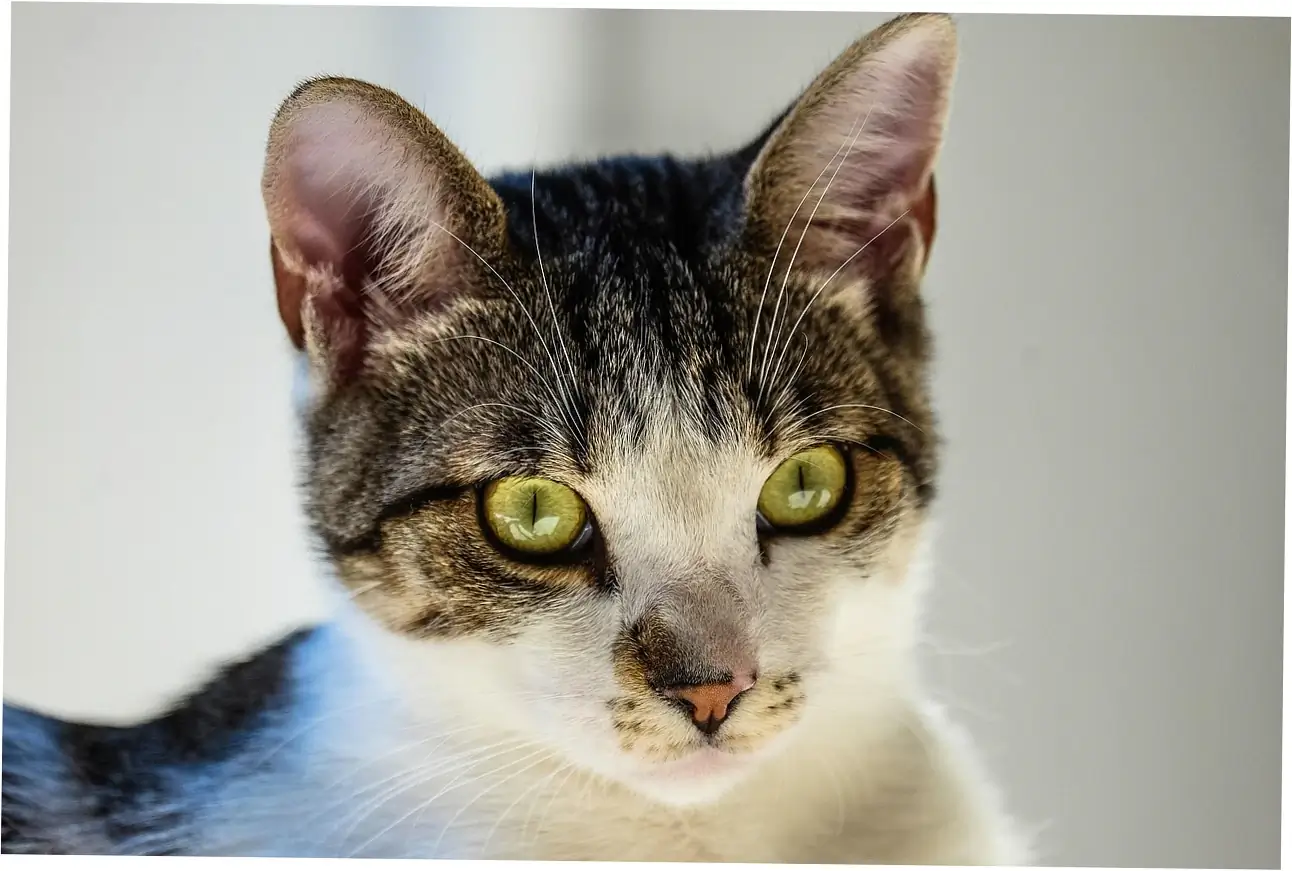
Want your cat to live longer in human years? Here are some practical tips.
First up, let’s talk about food and keeping your cat at a healthy weight.
What your cat eats really matters for how long they live. Give them good quality food that’s right for cats, with animal protein as the main ingredient.
Don’t just leave food out all day – measure portions based on their ideal weight, age, and how active they are. Talk to your vet about what’s best, since cats need different food as kittens, adults, and seniors.
Keep an eye on your cat’s weight throughout their life – you want them at a healthy body score. Overweight cats can get diabetes, arthritis, and heart problems, which might cut their life short by two years.
Weigh your cat regularly and check their body condition so you can catch weight issues early. I’ve seen cats live years longer just by losing 10-15% of their extra weight.

Next, let’s look at preventive care and spotting problems early.
Find a cat-friendly vet and stick to check-up schedules – once a year for adult cats, twice for older ones. Regular teeth cleanings help their overall health by reducing inflammation throughout their body. Vaccines stop preventable diseases, and parasite control avoids other health problems.
Watch for small changes at home – like how much they drink, litter box use, grooming, and activity levels. Catching things like kidney disease, thyroid issues.
and dental problems early makes treatment much more effective. Keep notes about any changes and tell your vet what you’ve noticed during check-ups.

Let’s talk about how to spot changes in older cats as they age.
Here are some common health problems older cats often face.
Age-associated diseases: As cats enter their senior years (11 ), they become susceptible to specific conditions that impact quality of life and longevity.
These often include dental problems, kidney disease, hyperthyroidism, high blood pressure, arthritis, and cognitive decline. Getting regular checkups with blood pressure tests, blood work, and urine tests helps catch problems early when treatment works best.
Watch for subtle signs like drinking more water, weight changes even when eating normally, different sleep habits, more meowing, and litter box misses. If your cat has trouble jumping or seems stiff, it could mean arthritis.
Behavior changes like confusion or acting differently around people might point to cognitive issues that need a vet’s check.
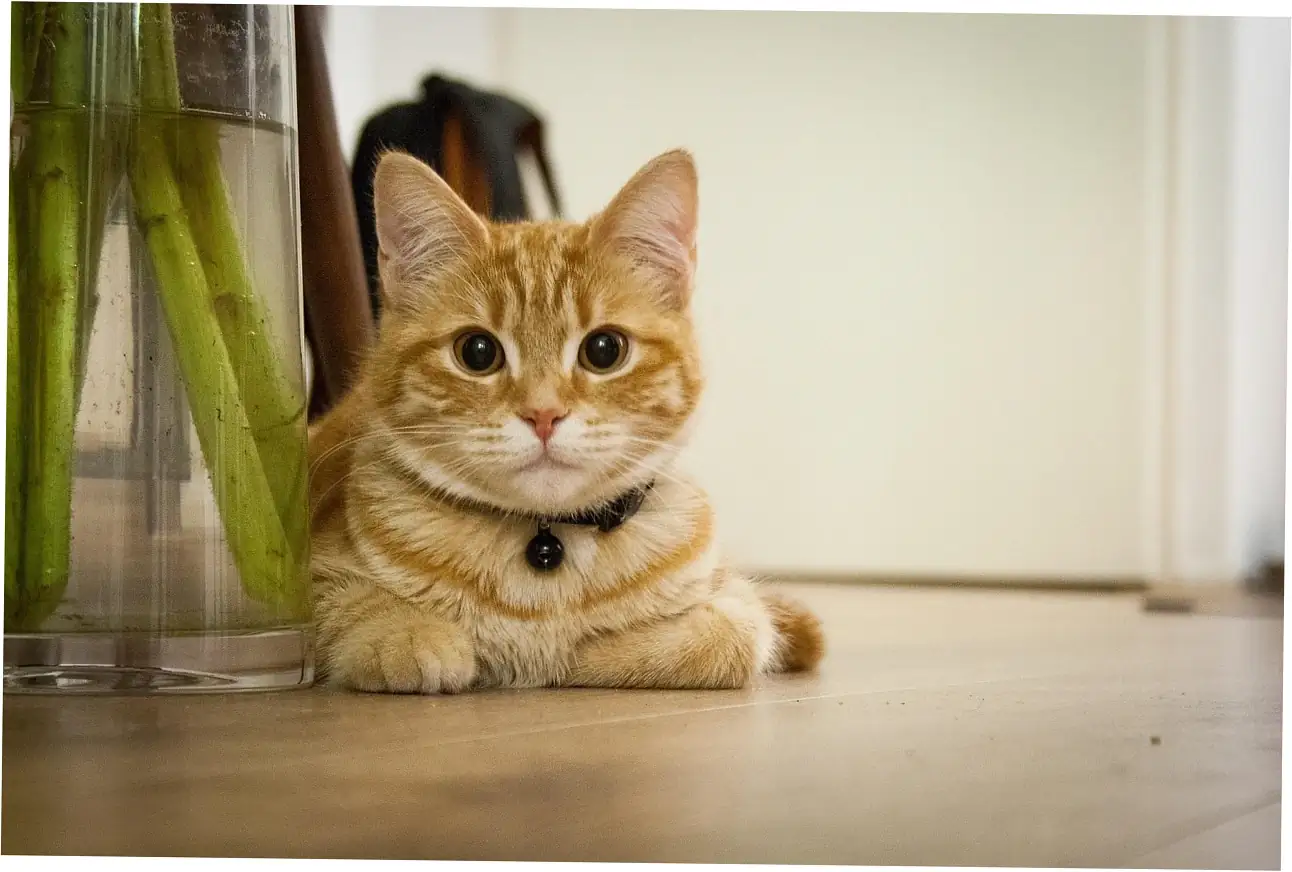
How to adjust care for your aging cat
Make some easy changes around your home to help your older cat’s needs. Add steps or ramps to their favorite high spots, give them comfy beds for sore joints, and use night lights to help them see.
Put water bowls in several spots and use litter boxes with low sides that are easy to get into. These simple changes help your cat live comfortably despite aging challenges.
Older cats need special food made for their changing bodies – with the right protein amounts, joint supplements, and stronger flavors since their senses aren’t as sharp.
Always check with your vet before switching foods because what works for one senior cat might not work for another. Keeping your cat hydrated gets more important with age, so try wet food or broth if they’re not drinking enough water.
Breed-Specific Lifespan Expectations and Considerations
Some cat breeds live longer than others
How long cats live depends a lot on their breed genetics, though good care definitely helps Mixed breed cats are usually pretty healthy and often live 12 to 15 years Purebred cats like Siamese, Burmese.
and Balinese can make it to 15 or even 20 years with good care But cats with extreme features, like flat-faced Persians or big Maine Coons, tend to live shorter lives, around 8 to 12 years, because they have more health issues.
Good breeders are helping cats live longer by testing for genetic problems and breeding carefully Here’s how long some popular cat breeds usually live:
| Breed | How long they usually live | Common health issues to watch for |
|---|---|---|
| Mixed Breed | 12 to 15 years | Usually pretty healthy overall |
| Siamese | 15 to 20 years | Watch for dental problems and breathing issues |
| Maine Coon | 10 to 13 years | Heart problems and hip issues are common |
| Persian | 8 to 12 years | Breathing troubles, dental disease, and kidney problems |
| Bengal | 12 to 16 years | Heart issues and eye problems sometimes occur |
How to help your cat live their longest life
Knowing your cat’s breed helps you give them the right care to prevent problems Flat-faced cats need you to watch their breathing and keep them cool Big cats do better with joint supplements and keeping their weight down to protect their bones Some breeds like Maine Coons and Ragdolls often get heart disease, so they need regular heart checkups starting when they’re middle-aged.
No matter what breed your cat is, good overall care really helps them live longer Get the right health screenings for their breed, keep them at a healthy weight, take care of their teeth.
and give them plenty of mental exercise Genetics set the basic timeline, but with great care and catching problems early, many cats live longer than expected.
Figuring out how cat years compare to human years helps you understand where your cat is in their life Average lifespans are just guidelines – with good care, many cats beat the odds How long your cat lives comes down to their genes.
their environment, and the healthcare they get When you give your cat the specific care they need, you help them live longer and better.
Want to help your cat live a long, healthy life? Tell us how old your cat is below and learn how to support them at every age, or check out our senior cat care guide for tips on adding more good years together.
FAQ About Cat Lifespan in Human Years
You know that old rule about one cat year equaling seven human years? Well, it’s actually not that accurate.
That formula is way too simple and doesn’t match how cats really age. Cats grow up really fast in their first two years. In fact, a one-year-old cat is like a 15-year-old teenager in human terms.
Once they hit two years old, each cat year after that equals about four human years. This makes more sense because it matches the actual physical changes and life stages vets see in cats.
So how long do indoor cats usually live?
Most indoor cats live 12 to 15 years, but with really good care, lots of them make it to 17 or even 20 years. They live longer because they’re safe inside, get good food, regular vet care, and live in a controlled environment.
Whether your cat reaches those older ages depends on things like their genes, keeping them at a healthy weight, good teeth, and catching health problems early.
Want to help your cat live a longer life?
Here are some proven ways to help your cat live longer: keep them inside, watch their weight, take them to the vet yearly (twice a year when they’re older), take care of their teeth, give them toys and things to do.
and watch for any small changes in how they act. Catching age-related problems early – like kidney issues, thyroid trouble, or arthritis – can really help your cat live longer and feel better.
Do some cat breeds tend to live longer than others?
Yes, the breed does make a difference in how long cats might live. Mixed-breed cats usually live 12 to 15 years, but some purebreds like Siamese and Burmese often make it to 15 or even 20 years.
Breeds with very unusual body shapes or that tend to get certain health problems might not live as long on average. But how well you care for your cat usually matters more than their breed when it comes to how long they actually live.